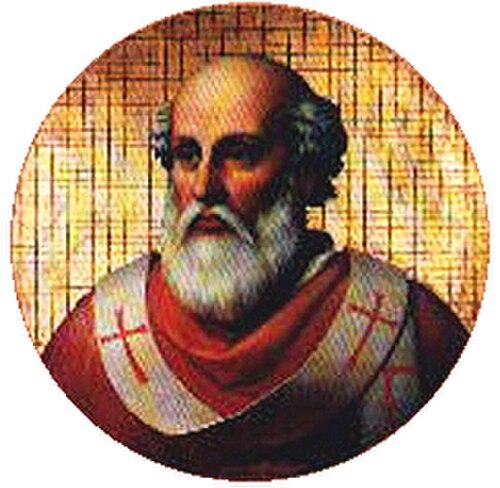
Saint
Adeodatus II of Rome
Bishop of Rome
Bishop of Rome from 672 to 676, who cared for churches and fought against Monothelitism.
- Reposed
- 6767th century
- Place
- Rome
- Order
- Hierarchs
Life
Adeodatus II of Rome was bishop of Rome from 11 April 672 to 17 June 676. Little is known about his ministry, but he is remembered for his care of monasticism, for restoring churches and for his resistance to Monothelitism. Some Western sources call him a saint and give 26 June as the day of his memory, but this is disputed, and he does not appear in the latest edition of the Roman Martyrology. The sources consulted record no commemoration of him in the Orthodox calendars.
Early life
He was born in Rome around 621, the son of Jovinianus. He was a Benedictine monk at the monastery of Saint Erasmus on the Caelian Hill, and was already advanced in years when he was elected bishop of Rome after the death of Vitalian. His election was confirmed within a few weeks by the exarch of Ravenna, as was required in the time of Byzantine rule.
Ministry
His time in office is little known. It came not long after Pope Martin I and Saint Maximus the Confessor had been condemned by Emperor Constans II for resisting Monothelitism, and the memory of them stirred great interest. In this atmosphere Adeodatus rejected the synodal letters sent by Patriarch Constantine I of Constantinople, and so his name was struck from the diptychs at Constantinople.
He worked zealously to improve monastic discipline and to stop Monothelitism, and did not meddle in the political affairs of his day. He restored churches that had fallen into disrepair, among them the basilica of Saint Peter at the eighth milestone of the Via Portuensis, and rebuilt the monastery of Saint Erasmus. Some sources say he gave Venice the right to choose its own doge. According to tradition he protected the Abbey of Saints Peter and Paul at Canterbury and granted privileges to the monastery of Marmoutier at Tours, though the two letters attributed to him are of doubtful authenticity. His contemporaries praised him for his generosity to all, his compassion for pilgrims and his kindness to his clergy, whose privileges he increased.
Repose
He fell asleep on 17 June 676 and Donus followed him. He is buried in Saint Peter's Basilica.