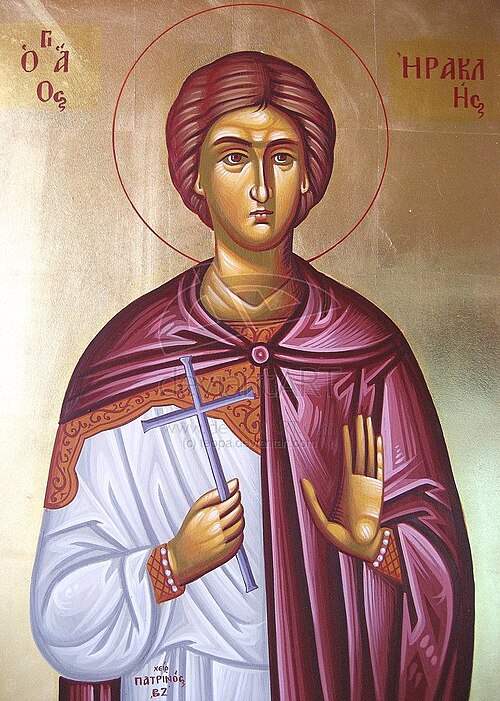
Saint
Heraclas of Alexandria
Patriarch of Alexandria
Thirteenth pope and patriarch of Alexandria, from 232 to 248, successor of Demetrius.
Life
Saint Heraclas was the thirteenth pope and patriarch of Alexandria, from 232 to 248, successor of Demetrius. He is the first bishop of Alexandria called in writing pope, that is father. Earlier he had been a disciple of Origen and head of the catechetical school of Alexandria.
Beginnings
He was born in Alexandria to pagan parents, who were baptized after his birth. They taught him first Greek philosophy, then Christian doctrine; he diligently read the four Gospels and the Epistles. For a time he studied under the philosopher Ammonius Saccas, and when Origen, at eighteen, began to teach, Heraclas and his brother Plutarch were among his first pupils. Origen brought both to the Christian faith; Plutarch soon received the crown of martyrdom, being the first of Origen's pupils to suffer for Christ. Origen later wrote that Heraclas, who now presides over the council of presbyters at Alexandria, was the one who took on the dress of a philosopher and did not cease to study the Greek sciences.
Demetrius, patriarch of Alexandria, ordained him deacon and then priest. Heraclas was chosen by Origen as assistant at the school, and when Origen was expelled from Alexandria in 231, he became head of the catechetical school, entrusted to him by Demetrius. He was faithful in all that was committed to his care.
Patriarchate
On the death of Demetrius he was chosen patriarch. It is said that he brought many pagans to the faith and baptized them, and devoted his labour to teaching, preaching and guidance. He entrusted to Saint Dionysius (who was to succeed him) the work of judging between the believers and caring for their affairs. He sat on the throne of Saint Mark fifteen or sixteen years, until the end of his life.
According to Dionysius the Great, Heraclas was very strict with former heretics: he expelled from the Church those who had separated from it and, even more, those who seemed to be in the Church but had been caught frequenting false teachers. He would not take them back, even at their request, until they declared in front of all that they had heard from the enemies of the Church. Then he received them into communion and did not require them to be baptized a second time, since they had already received the Mystery from him.
Veneration
Heraclas is the first patriarch of Alexandria called pope (Greek papas, father) in a surviving document: in the letter of Dionysius to Philemon, quoted by Eusebius, Dionysius writes that he received that rule from our blessed pope Heraclas. He died on 17 December 248. He is commemorated in the calendars of the Orthodox Church.
Commemorated the same day July 14
 Nicodemus the HagioriteVenerable · Athonite monkJul 14
 Vincent MadelgariusVenerable · Benedictine monkJul 14
 Stephen of MakhrishchVenerableJul 14
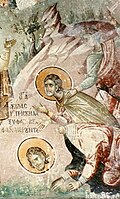 AquilaApostle · Apostle of the SeventyJul 14
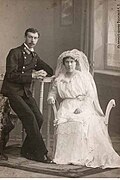 Konstantin BogoyavlenskyHieromartyr · Priest of MerkushinoJul 14
- Arsenius of AgiofarangoSaintJul 14
- Basinus of DrongenSaintJul 14
- Colman son of AingenSaintJul 14
- Deusdedit of CanterburySaint · Archbishop of CanterburyJul 14
- Emmanuel, Anezina, George and MariaHoly New Martyrs · Crypto-Christian New MartyrsJul 14
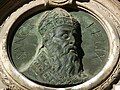 Felix of ComoSaint · Bishop of ComoJul 14
- Hellius of EgyptVenerableJul 14