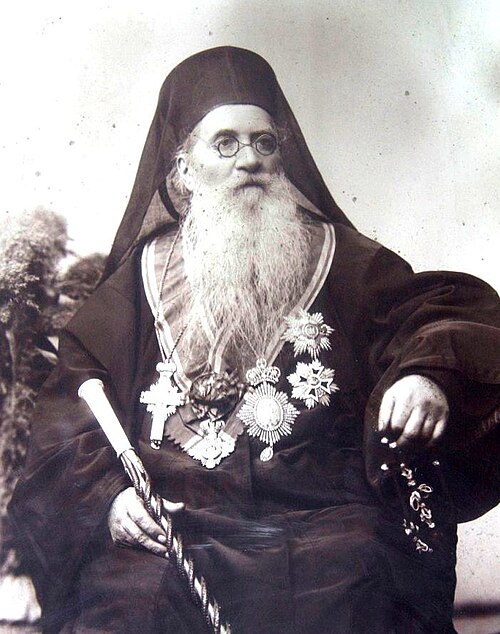
Saint
Joseph Naniescu
Metropolitan of Moldavia
Metropolitan of Moldavia and scholar, honorary member of the Romanian Academy, who died in Iași in 1902.
- Feast
- January 26old style February 8
- Reposed
- 190220th century
- Place
- Iași
- Order
- Hierarchs
Life
Saint Joseph the Merciful, Metropolitan of Moldavia (in the world Ioan Mihalache, known as Iosif Naniescu, 1818-1902), was Metropolitan of Moldavia for twenty-seven years, from 1875 to 1902, a scholar, builder of the metropolitan cathedral at Iași and honorary member of the Romanian Academy from 1888. He was glorified by the Holy Synod of the Romanian Orthodox Church on 5 October 2017, and the proclamation of the canonization took place on 25 March 2018 in the Metropolitan Cathedral of Iași. He is celebrated on 26 January.
Beginnings
He was born on 15 July 1818 in the village of Răzălăi near Bălți, in Bessarabia, to Teodosia and the priest Anania (Nane) Mihalache. His father died when he was one or two, and his mother raised him until he was ten. In 1831 his uncle, the hierodeacon Theophylact of Frumoasa monastery, brought him to the monastery of Saint Spyridon at Iași, where he learned reading, writing, the typikon and church singing. In 1834, when the hierodeacon Theophylact was made abbot of the monastery of the Holy Prophet Samuel at Focșani, he took his nephew with him. At the beginning of 1835 Theophylact became ecclesiarch of the bishopric of Buzău. On 23 January 1835, in the cathedral at Buzău, Ioan was tonsured a monk with the name Joseph and the next day ordained deacon by Bishop Caesarius of Buzău. In 1836 he entered the newly opened seminary of Buzău, which he finished in 1840, and in the same year entered the college of Saint Sava in Bucharest, graduating in 1847. In 1849 he was appointed abbot of the monastery of Șerbănești-Morunglav (now in Vâlcea County). On 29 August 1850 he was ordained priest in Bucharest. On 30 November 1852 he was raised to protosyncellus by Bishop Callinicus of Râmnic. In October 1857 he was appointed abbot of the monastery of Găiseni (now in Giurgiu County), in 1861 was raised to archimandrite, and in 1863 became abbot of Sărindar in Bucharest. From 1864 to 1873 he was teacher of religion at the "Gheorghe Lazăr" gymnasium and the "Matei Basarab" lyceum, and in 1870-1871 director of the Central Seminary in Bucharest.
Bishop and metropolitan
On 23 April 1872 he was consecrated bishop with the title of Myra, and on 18 January 1873 elected bishop of Argeș. On 10 June 1875 he was elected archbishop of Iași and metropolitan of Moldavia, and on 6 July was enthroned in the old metropolitan cathedral of Saint George the Wonderworker at Iași. For twenty-seven years he shepherded the Metropolis of Moldavia with rare gentleness and wisdom, giving here the richest spiritual, theological, pastoral and social activity of his life, remaining for those after him a living example, hard to imitate.
In the war of independence of 1877-1878 he addressed abbots and abbesses asking them to send monastics to the field hospitals and medical units, sent circulars to deans and abbots for collecting funds for the army, gave patriotic sermons and gave personal help. After the war he obtained from the Romanian government funds for building the metropolitan cathedral at Iași (of the Presentation of the Lord, according to the Russian source; it holds Saint Paraskeva). The work had been begun by Metropolitan Benjamin Costachi, and the young Ioan Naniescu had in 1833 been a witness to the laying of the cornerstone; left unfinished, the building was falling into ruin. Metropolitan Joseph laid the cornerstone a second time, on 15 April 1881, and resumed the work. In December 1886 the remains of Metropolitan Benjamin Costachi were brought into the cathedral from Slatina monastery, and on 23 April 1887 the cathedral was consecrated with great solemnity by twelve bishops, with many priests and deacons, in the presence of King Carol I and Queen Elisabeth, other officials and tens of thousands of the faithful. In 1889 the relics of Saint Paraskeva, kept until then at the Three Hierarchs monastery in Iași, were laid in the cathedral. He took great care of his cathedral, seeking to bring there the best preachers and singers; at the request of the conductor of the cathedral choir, the composer Gavriil Musicescu, he allowed and supported the admission of women into the choir and tried to take part daily in the cathedral services. Being himself a church singer, he was the first hierarch of the Romanian Church to allow women to sing in the choir and blessed the organization of choirs in parish churches; to this end he founded in 1892 at Iași a school of church singers.
Scholar and builder
In 1893, with state support, he bought the palace of the former prince Mihail Sturdza at Iași, rebuilt it and housed there the "Veniamin Costachi" seminary, which had been earlier at the Socola monastery. He supported with his own means dozens of pupils, among them Nicolae Munteanu, the future Patriarch Nicodim. In 1885 he founded at Iași, for the defence of the Orthodox faith, the Romanian Orthodox Association, becoming its honorary president. He was interested in Romanian and foreign literature and collected books on various subjects. From 23 March 1883 to 18 January 1887 the "Theological Review" appeared at Iași, under his direction and at his expense, edited by Professors Constantin Erbiceanu and Dragomir Demetrescu, of high scholarly level and missionary character. He printed several small works of his own and the work of Father Gabriel "The Life and Activity of His Holiness our Father Nephon, Patriarch of Constantinople". On 16 April 1888 he was elected honorary member of the Romanian Academy, to which he gave his library (over 10,000 books and pamphlets, over 300 old printed books, Romanian, Greek and Slavonic manuscripts, various documents). Under his patronage the French architect André Lecomte du Noüy restored at Iași the churches of the Three Hierarchs and the Princely Church of Saint Nicholas, and many parish churches and historical monuments were restored or conserved.
His end and veneration
On 26 January 1902 Metropolitan Joseph "the holy and merciful" left his spiritual children and passed to the heavenly dwellings, to stand before the great High Priest Jesus Christ. His tomb is in the southern part of the metropolitan cathedral he completed. On 5 October 2017 the Holy Synod of the Romanian Orthodox Church numbered him among the saints, with the name Holy Hierarch Joseph the Merciful, Metropolitan of Moldavia. In 2015 a bust of him, cast in bronze by the sculptor Vyacheslav Zhiglitsky, was placed on the Alley of Classics and Church Figures in Chișinău.
Commemorated the same day January 26
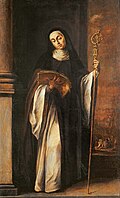 Paula of RomeVenerable · Disciple of Blessed JeromeJan 26
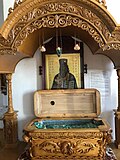 George KossovConfessor · Archpriest and elderJan 26
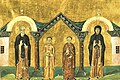 XenophonVenerable · Monk of the Lavra of Saint SabbasJan 26
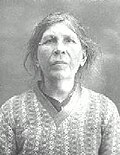 Sophia SeliverstovaVenerable Martyr · NunJan 26
- John PopovNew Martyr · Theologian, professor at the Moscow AcademyJan 26
- Joseph the ConfessorConfessor · Archbishop of ThessalonicaJan 26
- Simeon the OldVenerable · Hermit of SyriaJan 26
- Alphonsus of AstorgaSaint · Bishop of AstorgaJan 26
- AmmonasVenerableJan 26
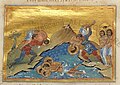 Ananias of PhoeniciaHieromartyrJan 26
- Ansurius of OrenseSaint · Bishop of OrenseJan 26
- Arcadius of ConstantinopleVenerableJan 26