Martyr
John of Constantinople
Martyr of Constantinople, who died around the year 730.
Life
Holy Martyr John of Constantinople is commemorated together with the martyrs Julian, Marcian, James, Alexis, Demetrius, Photius, Peter, Leontius, Maria the patrician, the protospatharios Gregory and others, who suffered for the holy icons in the year 730, in the time of the iconoclast emperor Leo the Isaurian (717 to 741).
The emperor deposed Holy Patriarch Germanus (715 to 730) and sent him into exile, and on the throne he unlawfully set the iconoclast Anastasius (730 to 753). By imperial command all icons were to be removed from churches and houses and destroyed. At Constantinople, above the so-called Bronze Gate, there had stood since the time of Constantine the Great (324 to 337) a wonderworking bronze icon of the Saviour. The emperor and the patriarch Anastasius ordered it taken down. A soldier set a ladder and climbed up to remove it. The gathered people were outraged at the profaning of the holy. In the crowd was the patrician Maria, a woman of noble family; she, and after her many others, rushed to the ladder and pulled it from the wall so as not to let the soldier touch the icon. The ladder fell, the soldier fell and was killed. This happened on 19 January 730. In the defence of the icon there took part also the protospatharios (commander of soldiers) Gregory and the virgin venerable martyr Theodosia (commemorated on 29 May). Learning of it, the emperor at once put to death many Orthodox, whose names and number only the Lord knows. The protospatharios Gregory also received a martyr's death.
Some Orthodox of the nobility, Julian, Marcian, John, James, Alexis, Demetrius, Leontius, Photius and Peter, were shut up in a prison and kept there for about eight months, receiving every day five hundred blows; by the power of Christ they remained alive in these torments and bore them manfully. By order of the emperor their faces were burned with red-hot iron and their heads cut off. Saint Maria the patrician, who had not been imprisoned, learning of the coming execution, accepted the death of martyrdom of her own will. The bodies of the martyrs were buried in the place called Pelagiou, near the church of the Holy Martyr Theodore, and were found incorrupt after a hundred and thirty-nine years.
The Church commemorates them on 22 August, in the new style.
Commemorated the same day August 9
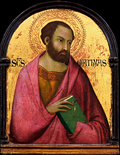 MatthiasApostle · Apostle chosen in place of JudasAug 9
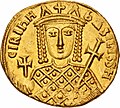 Irene of AthensRight-Believing · Byzantine EmpressAug 9
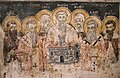 Sava of OhridSaint · Disciple of Saints Cyril and MethodiusAug 9
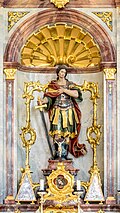 Romanus OstiariusMartyr · Doorkeeper of the church in RomeAug 9
 Firmus and RusticusMartyr · Martyrs of VeronaAug 9
 Secundianus, Marcellianus and VerianusHoly Martyrs · Martyrs of ItalyAug 9
 Anthony MonkinFool-for-ChristAug 9
- Jacob of SolovkiVenerable · Abbot of Solovki MonasteryAug 9
- Marcellus of VologdaSaint · Archbishop of VologdaAug 9
- Adrian of SolovkiVenerable · HermitAug 9
- Alexis of ConstantinopleMartyrAug 9
- Alexis of SolovkiVenerable · HermitAug 9