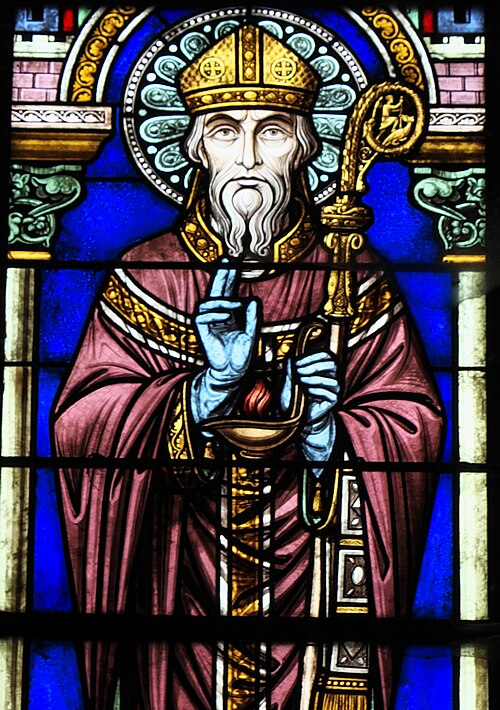
Saint
Narcissus of Jerusalem
Bishop of Jerusalem
Bishop of Jerusalem in the second and third centuries, venerated in both East and West.
Life
Saint Narcissus the hierarch was bishop of Jerusalem in the second century and at the start of the third, a shepherd of very great age, honoured in both East and West. The historian Eusebius of Caesarea, from whom we have almost all the news of him, praises him for his virtue and attributes to him a miracle of water turned into oil. The Orthodox Church commemorates him on 7 August, and the Catholic Church on 29 October.
Ministry
He was of Greek origin. According to tradition he was born in the year 99 and was at least eighty when he became the thirtieth bishop of Jerusalem, in the city then called Aelia Capitolina, built by the Romans on the ruins of the old one. With this is linked an important decision: around 195 he took part in the synod of Caesarea in Palestine, presided over by Bishop Theophilus, where it was decided that Easter should always be kept on a Sunday and not on the day of the Jewish Passover. The decision, already adopted by Rome and Alexandria, soon became common to the whole Church.
According to Eusebius, on an Easter night, when oil for the church's lamps ran out, Narcissus ordered water to be brought from the well, said a prayer and turned it into oil. He is said to have worked other miracles as well.
Accusation and withdrawal
Some prominent believers accused him, under oath, of grave misdeeds. Eusebius held that the accusations were slander, backed by false witness from his opponents. Narcissus forgave those who accused him, but left Jerusalem and spent some years in solitude in the desert, while three bishops in turn governed the see.
When the shepherds who followed him proved unequal to the task, the people and clergy asked him with one voice to return. He accepted, but being very old he appointed as his helper Alexander, the future bishop of Jerusalem, to whom he left a large part of the labours. He continued to serve his flock and other churches by his prayer and by his exhortation to unity and peace.
Repose
He died in peace at a very great age: the Serbian tradition says that he fell asleep praying on his knees, in his hundred and seventeenth year, while other sources speak of a hundred and twenty years. His death is dated around 216. He is a saint canonized before the Great Schism, which is why he is honoured by both Orthodox and Catholics. In the Byzantine period, however, no wide popular veneration of him in the East is recorded.
Commemorated the same day August 7
 Donatus of ArezzoSaint · Bishop of ArezzoAug 7
 Dometius the PersianMartyr · Martyr of PersiaAug 7
 Alexander HotovitzkyHieromartyr · Priest and missionaryAug 7
- Donatus of BesançonSaint · Archbishop of BesançonAug 7
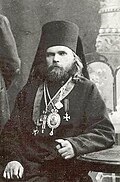 Pimen BelolikovHieromartyr · Bishop of Semirechye and VernyAug 7
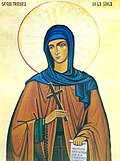 Theodora of SihlaVenerable · Hermit in the Neamț MountainsAug 7
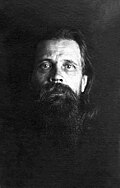 Alexei VorobyovHieromartyr · ArchpriestAug 7
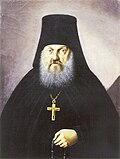 Anthony of OptinaVenerable · Elder of OptinaAug 7
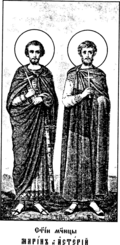 Marinus and AsteriusHoly MartyrsAug 7
 Pârvu MutuVenerableAug 7
 Donatus of ImolaSaint · Archdeacon of ImolaAug 7
- MiklosSaintAug 7