Martyr
Antoninus of Pamiers
Apostle of the Rouergue
Early Christian missionary and martyr called the Apostle of the Rouergue; the dating of his life is uncertain.
- Feast
- September 2old style September 15
- Reposed
- 5066th century
- Place
- Pamiers
- Order
- Martyrs
Life
Saint Antoninus of Pamiers was an early Christian missionary and martyr, called the "Apostle of the Rouergue". He is venerated as patron of the cities of Pamiers, Palencia and Medina del Campo. His memory is kept on 2 September.
His historicity and exact identity are uncertain. His life is dated by various sources to the first, second, fourth or fifth century, because he is often confused with other saints named Antoninus, among them Antoninus of Apamea in Syria. Cardinal Baronius believed that he was one of the martyrs of the Theban Legion in the year 286.
According to tradition, he was born at Fredelacum (Pamiers), converted to Christianity and made a pilgrimage to Rome, where he was ordained. He returned to preach the Gospel in Aquitaine, especially in the border regions of the Rouergue; the tradition of the diocese of Pamiers regards him as its first apostle. Many miracles are credited to him. He was martyred at Vallis Nobilis, now Saint-Antonin-Noble-Val, on 2 September.
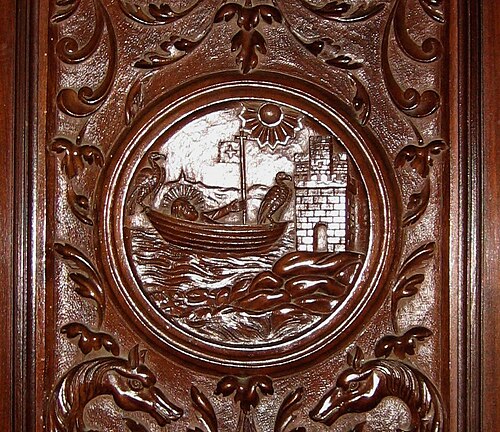
His relics came to Pamiers and Palencia. His veneration is old: the cathedral of Palencia is dedicated to him, as is that of Pamiers. According to local tradition, the crypt at Palencia that is said to house his relics was completed in the later seventh century, under Bishop Ascaric. By the eighth century a monastery dedicated to him had been built near Foix, which claimed to hold his head and part of his body, brought from Syria in a boat that sailed the rivers Ariège, Tarn, Garonne and Aveyron with the help of an angel. These conflicting traditions suggest that the martyr of Pamiers may be the same person as the martyr Antoninus of Syria. The Abbey of Saint-Antonin was founded near Fredelacum about 960, and the town of Saint-Antonin-Noble-Val bears his name.
Commemorated the same day September 2
 Mammes of CaesareaMartyrSep 2
 NonnosusVenerable · Prior of Monte SoratteSep 2
 Agricola of AvignonSaint · Bishop of AvignonSep 2
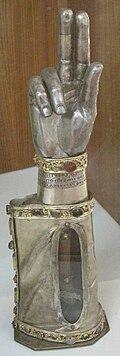 Justus of LyonSaint · Bishop of LyonSep 2
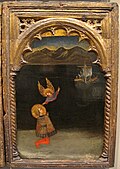 Elpidius the CappadocianVenerable · Abbot of CappadociaSep 2
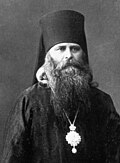 Barsanuphius LebedevHieromartyr · Bishop of KirillovSep 2
- Maxima of RomeMartyrSep 2
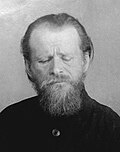 Vladimir MorinskyHieromartyr · PriestSep 2
 Damascene TsedrikHieromartyr · Bishop of GlukhovSep 2
 German RyashentsevHieromartyr · Bishop of VyaznikiSep 2
- Hieu of TadcasterVenerable · Abbess of TadcasterSep 2
- John MelnichenkoHieromartyr · PriestSep 2