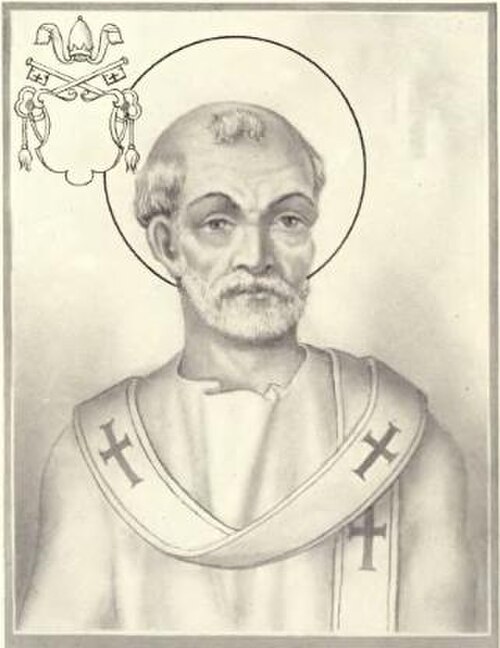
Saint
Eusebius of Rome
Bishop of Rome
Bishop of Rome in 309, sent into exile in Sicily, where he died in 310.
- Feast
- September 26old style October 9
- Reposed
- 3104th century
- Place
- Sicilia
- Order
- Hierarchs
Life
Saint Eusebius of Rome was bishop of Rome for a few months, from 18 April 309 until his exile on 17 August 310. He died in exile in Sicily on 21 October 310. His short episcopate was troubled by disputes over the readmission to the Church of those who had denied the faith in the persecution.
Little is known of his early life. He is thought to have been a Greek, though some sources make him a Sardinian. He was elected after Saint Marcellus I, who had also been sent into exile. Eusebius held to the rule of the Roman Church: the lapsed were not to be shut out from communion forever, but could be received back only after due penance. A part of the faithful rose against this rule, led by a certain Heraclius, probably the head of a party of the fallen who demanded to be restored at once. Disturbances broke out in the city, and Emperor Maxentius sent both men into exile.
Eusebius fell asleep in Sicily after a short time. His body was brought back to Rome and buried in the catacomb of Saint Callixtus, near the tomb of Pope Caius. The Chronograph of 354 records the burial on 26 September, a day on which he was long commemorated.
We know him mainly from the verse epitaph that Pope Damasus I placed at his tomb. It says that Heraclius would not have the fallen do penance, while Eusebius taught the wretched to weep for their sins. It says too that he bore exile gladly, for love of the Lord, and left life on the rocks of Sicily. Damasus calls him bishop and martyr. Fragments of the original inscription and a marble copy of the sixth century were found in the papal chapel of the catacomb of Callixtus.
The Roman Catholic Church commemorates him on 17 August, and the calendar of Western saints of the Orthodox Church keeps him on the same day.
Commemorated the same day September 26
 John the TheologianApostle · Apostle and EvangelistSep 26
 GideonProphet · Judge of IsraelSep 26
 Cyprian and JustinaHoly MartyrsSep 26
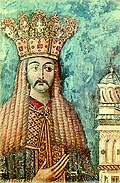 Neagoe BasarabRight-Believing · Prince of WallachiaSep 26
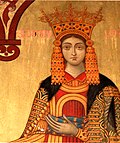 Platonida of ArgeșVenerable · Princess of WallachiaSep 26
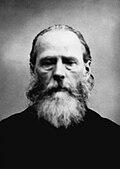 Nikolai GashevHieromartyr · Archpriest in PermSep 26
- Alexander LevitskyHieromartyrSep 26
- AmantiusSaintSep 26
- Athanasius DokukinHieromartyr · Russian priestSep 26
- Colman EloVenerableSep 26
- Colman of Ros BranduibhSaintSep 26
- Demetrius KryuchkovConfessorSep 26