Martyr
Gorgonius of Nicomedia
Martyr of Nicomedia
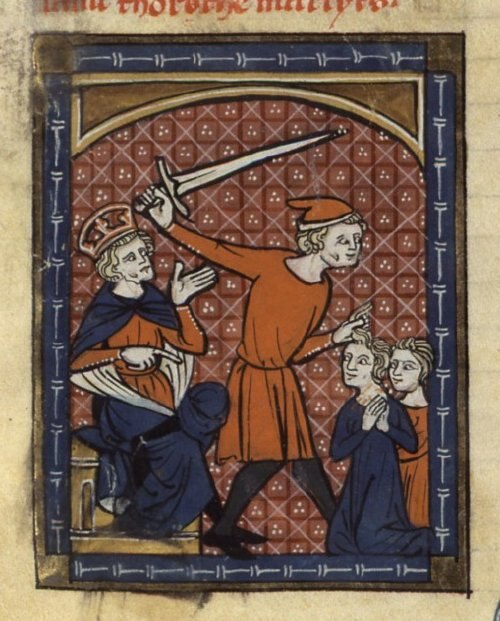
Martyr put to death at Nicomedia in 304 in the Diocletian persecution, with Peter the Chamberlain and Dorotheus.
- Feast
- September 9old style September 22
- Reposed
- 3044th century
- Place
- Rome
- Order
- Martyrs
Life
Saint Gorgonius the Martyr was a high official in the household of the emperor Diocletian, who suffered at Nicomedia in the year 304, together with Peter the Chamberlain and Dorotheus, in the persecution launched against the Christians. The early writers Lactantius and Eusebius mention him as one of the first to be condemned.
Gorgonius held an important post at the emperor's court. When the persecution began he was among the first to be accused. According to one version of the legend, Diocletian, wishing to uncover the Christians in his own household, ordered everyone to pay honour to the Roman gods, reckoning that those who refused would reveal themselves as Christians. The first to be exposed was the emperor's butler Peter, called Cubicularius, who was strung up and had his flesh torn from his bones. Dorotheus, an imperial chamberlain, and Gorgonius protested against this cruelty and were condemned too, together with another official, Migdonius.
Peter was meanwhile boiled, burned alive or roasted on a gridiron, according to the different accounts. Gorgonius and his companions were cruelly tortured and at last strangled. Diocletian ordered their bodies thrown into the sea, so that they would not receive the honour the early Christians gave to the relics of martyrs. The faithful nevertheless recovered them, and later the body of Gorgonius was carried to Rome.
Tradition early on confused this Gorgonius with a Roman martyr of the same name, buried on 9 September in the cemetery “between the two laurels” on the Via Labicana. Only his name is known, and Pope Damasus I wrote an epigram in his honour. For this reason 9 September remained attached to Gorgonius in the calendar.
In the eighth century the relics were moved by Chrodegang, bishop of Metz, to the monastery of Gorze in Lorraine, and some reached Minden. Many French churches received portions of the saint's body from Gorze, but in the chaos of the French Revolution most were lost. His feast, with his companions, is kept on 9 September in our calendar, while the Roman Catholic Church remembers them on 12 March.
Commemorated the same day September 9
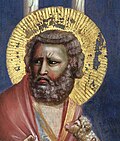 JoachimRighteous · Father of the TheotokosSep 9
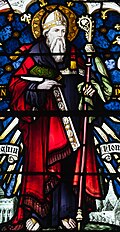 Ciarán of ClonmacnoiseVenerable · Abbot of ClonmacnoiseSep 9
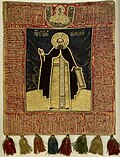 Joseph of VolotskVenerable · Abbot of Volokolamsk MonasterySep 9
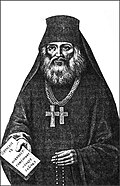 Philaret of GlinskVenerable · Abbot of Glinsk HermitageSep 9
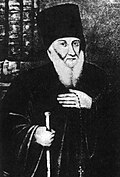 Basil KishkinVenerable · Hieromonk of PloshchanskSep 9
- Zenobius MazhugaSaint · Metropolitan of the Georgian ChurchSep 9
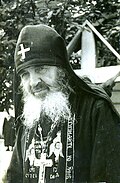 Andronik LukashVenerable · Schema-archimandrite and elderSep 9
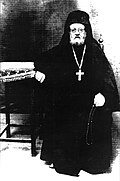 Joanicius of RakotinciVenerableSep 9
 Zacharias LobovHieromartyr · Archbishop of VoronezhSep 9
- Joachim of OpochkaVenerable · Disciple of St. Euphrosynus of PskovSep 9
- Nikita of ConstantinopleFool-for-Christ · Clerk of ConstantinopleSep 9
- AelrhiwSaintSep 9