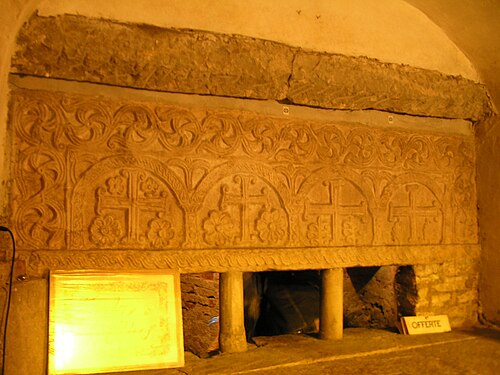
Venerable
Hilary of Galeata
Saint of Galeata in Italy, venerated by the Orthodox and Catholic Churches, who lived from 476 to 558.
- Feast
- May 15old style May 28
- Reposed
- 5586th century
- Place
- Galeata
- Order
- Venerables
Life
Venerable Hilary of Galeata was a hermit in Tuscany, born in 476 and died on 15 May 558. He is venerated as a saint in the Orthodox Church and in the Roman Catholic Church. His commemoration is on 15 May. He is the principal patron saint of Lugo, in the diocese of Imola.
According to tradition, he was born in Tuscia in 476 and decided to dedicate himself to the life of a hermit at the age of twelve. He left his home, crossed the Apennines toward Emilia and chose a spot pointed out to him by an angel, on a mountain in the valley of the Bidente near the river Ronco. At the age of twenty he freed a local nobleman, Olibrius, from a demon. In gratitude, Olibrius had his whole family baptized by Hilary and gave the saint lands and money. Around 496 this place became the nucleus of the monastery of Galeata, later called Sant'Ellero di Galeata. The foundation attracted new recruits, and the monastery followed a version of the rule of Saint Pachomius.
Many miracles are attributed to him. He turned a grape into a serpent to teach a lesson to a lazy monk named Glicerius. Hilary also managed to impress Theodoric, who had at first harassed the monks and was building a palace near Galeata, so that he gave land and goods. When Theodoric the Great and the Ostrogoths entered the region, the saint persuaded him to spare not only the monastery but also the surrounding lands.
The author of Hilary's Vita claims to be a disciple and eyewitness of the events of the saint's life. Scholars have declared the Vita to have been written in Hilary's own time. However, as Giovanni Lucchesi has remarked, the author followed the normal standards for writing hagiographies in the Middle Ages, which called for miracles, the active participation of angels and demons, and long devout speeches and prayers. Lucchesi also points out that the story of Olibrius's liberation from demonic possession is a trope found in other hagiographies of the time. His following spread across Tuscany and Romagna, especially in the dioceses of Arezzo, Sarsina, Forlì, Bertinoro, Faenza, Imola, Modigliana, Fiesole, Florence and at the abbey of Farfa. In 1488 Sant'Ellero di Galeata became a Camaldolese monastery.
Commemorated the same day May 15
 Pachomius the GreatVenerable · Father of Cenobitic MonasticismMay 15
 DymphnaMartyrMay 15
 Achillius of LarissaSaint · Bishop of LarissaMay 15
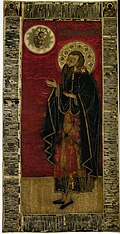 Euphrosynus of PskovVenerable · Founder of a monastery at PskovMay 15
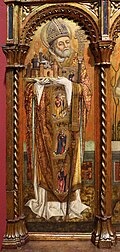 Severinus of SanseverinoSaint · Bishop of SeptempedaMay 15
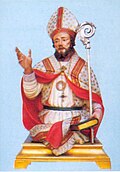 Adiutor of BeneventoSaint · Bishop of BeneventoMay 15
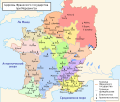 Euphrasius of ClermontSaint · Bishop of ClermontMay 15
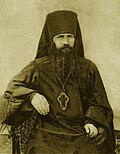 Arephas of VerkhoturyeVenerable · Archimandrite of Saint Nicholas MonasteryMay 15
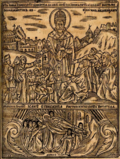 Isaiah of RostovSaint · Bishop of RostovMay 15
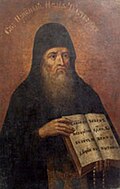 Isaiah of the Kiev CavesVenerable · Monk of the Kiev Caves LavraMay 15
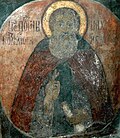 Pachomius of NerekhtaVenerable · Abbot and founder at NerekhtaMay 15
 Serapion of PskovVenerable · Wonderworker of PskovMay 15