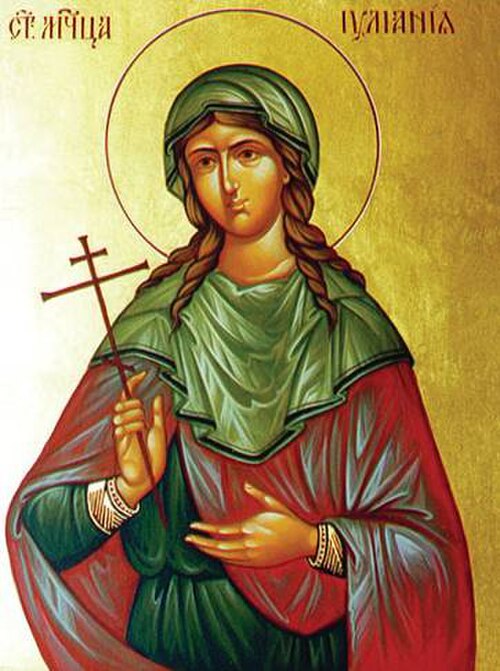
Martyr
Juliana of Nicomedia
Martyr of Nicomedia, put to death in the persecution of Diocletian in 304.
- Feast
- December 21old style January 3
- Reposed
- 3044th century
- Place
- Nicomedia
- Order
- Martyrs
Life
The holy martyr Juliana of Nicomedia was a virgin, killed for the faith in the persecution of Diocletian, around the year 304. She was venerated in the Middle Ages as a protectress of the sick. She is commemorated on 21 December by the old calendar, that is, 3 January by the new, together with the six hundred and thirty martyrs who believed on seeing her.
Her life
Little is known of her life, and much of what is told is tradition. According to her Acts, Juliana was born at Nicomedia, of pagan parents of high rank. From childhood she had been betrothed to the senator Eleusius, but she, who had kept secret that she had received baptism, delayed the marriage and, when she could no longer, refused. Her father, an enemy of the Christians, asked her not to break the betrothal, and when she did not obey, he handed her over to the governor, her former fiancé. Eleusius asked her again, with tears, to marry him, and she refused once more, saying she would not take a pagan in marriage.
The torments
Eleusius ordered her tortured. According to the account, he flogged her and burned her face with hot iron, saying mockingly, “Go now to the mirror to see your beauty.” Juliana answered with a slight smile that at the resurrection of the righteous there will be no burns and wounds, only the soul, and so she preferred the wounds of the body, which are passing, to those of the soul, which torment forever. Serbian sources add that in prison Christ healed her, and that she came out healthy before the governor, and the flames of the furnace into which she was cast did her no harm. Seeing this, many believed in Christ, six hundred and thirty people, and all were condemned and cut down with the sword. Juliana was condemned too; she went out to the place of execution, prayed to the Lord on her knees and laid her head on the block. She was beheaded in 304, by some sources at the age of eighteen.
After her death
Tradition says that Eleusius was soon overtaken by God’s punishment: his ship was wrecked at sea and he reached an unknown island, where beasts tore him apart. Other traditions make her born at Cumae, in Campania, and at the beginning of the thirteenth century her relics were taken to Naples. The Catholic Church commemorates her on 16 February. She is often shown with a winged devil whom she leads on a chain.
Commemorated the same day December 21
 Anton II of GeorgiaSaint · Catholicos-Patriarch of GeorgiaDec 21
 Philaret of KievSaint · Metropolitan of Kiev and GaliciaDec 21
 Juliania of VyazmaRight-Believing · Princess of VyazmaDec 21
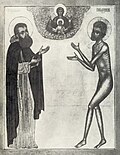 Procopius of VyatkaFool-for-Christ · Fool for ChristDec 21
 Siméon MstislavitchRight-BelievingDec 21
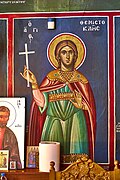 Themistocles of MyraMartyrDec 21
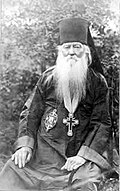 Nikita PribytkovHieromartyr · Bishop of BelevDec 21
- 130 Holy WomenSaintsDec 21
- 500 MartyrsHoly MartyrsDec 21
- BaudacariusVenerableDec 21
- BeornwaldHieromartyr · Priest of BamptonDec 21
- Flann son of FoircheallachSaintDec 21