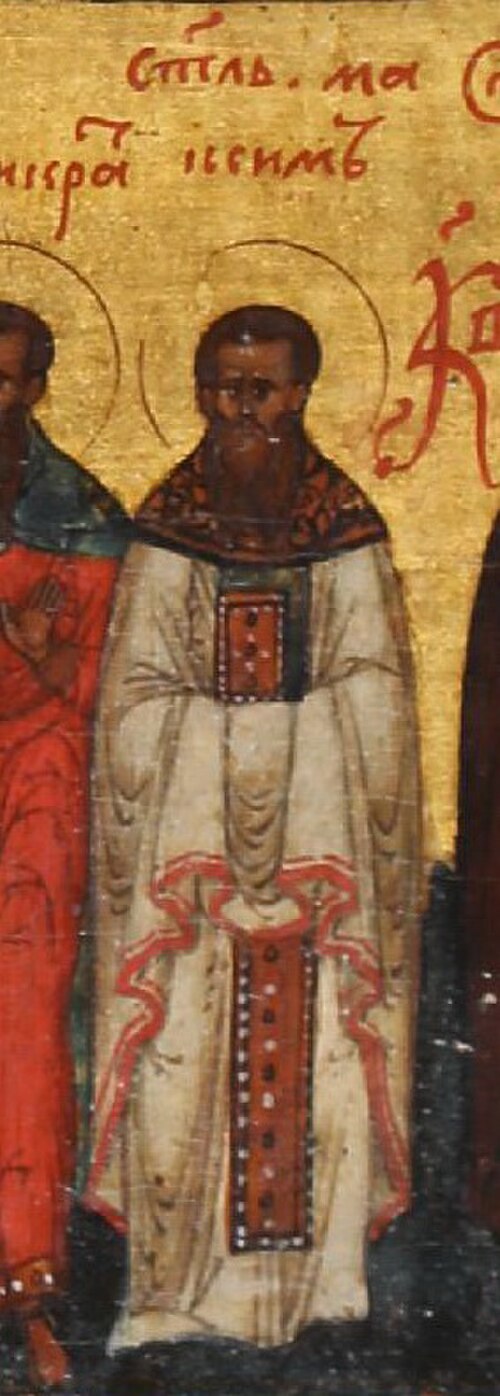
Saint
Maximianus of Constantinople
Archbishop of Constantinople
Archbishop of Constantinople from 431 to 434, chosen after Nestorius was deposed.
Life
Saint Maximian was archbishop of Constantinople from 25 October 431 until his repose on 12 April 434, chosen after the deposition of Nestorius at the Third Ecumenical Council at Ephesus. The Church remembers him as a peaceful pastor who worked to reconcile the Eastern Churches.
He was born at Rome, of wealthy and pious parents, as later tradition says, and was from youth a disciple of Saint John Chrysostom. Until 431 he lived in the monastic world of Constantinople, leading an austere life, and received the priesthood from Sisinnius. The historian Socrates Scholasticus, his contemporary, shows that he gained a reputation for goodness through his care for the burial of the dead: at his own expense he made tombs for Christians whose remains needed proper burial; he shows him, however, as a man not especially skilled in speaking, fond of quiet, not of public disputes. It is supposed that he was the Constantinopolitan priest who, with the monk Dalmatius, brought to Ephesus in the summer of 431 a petition against Nestorius, but the identification remains uncertain.
The Council of Ephesus had thrown the churches of Constantinople into great confusion: many citizens held to Nestorius, while the clergy with one voice anathematised him. When the deposition could no longer be disputed, the unrest continued over the election of a successor; after four months the choice fell on Maximian, by the unanimous vote of clergy, emperor and people. Pope Celestine wrote to him in words of praise. Maximian sent, according to custom, a synodical letter to the most important bishops; the bishops of the East, among them Helladius of Tarsus, refused at first to commemorate him, and Maximian deposed Helladius of Tarsus, Eutherius of Tyana, Himerius of Nicomedia and Dorotheus of Marcianopolis. Pope Sixtus III wrote to him several times to widen his charity toward all whom he might win back. Maximian worked tirelessly; although in full harmony with Saint Cyril, he urged him to give up his anathemas, which seemed an insurmountable obstacle. He also wrote to the emperor's secretary Aristolaus and to his archdeacon Epiphanius. When harmony was restored, in 433, John of Antioch and the other Eastern bishops wrote to him a letter of communion, approving his election and the deposition of Nestorius, and Cyril wrote to him attributing the blessed result to the power of his prayers.
Maximian died on Holy Thursday, 12 April 434. Of his letters only that to Saint Cyril survives. In art history, the mosaic in San Vitale with Justinian does not show him, but a namesake bishop, Maximian of Ravenna. The Orthodox Church commemorates him on 21 April (until the twelfth century, on 20 November).
Commemorated the same day April 21
 JanuariusHieromartyr · Bishop of BeneventoApr 21
 Apollonius the ApologistMartyr · Roman apologistApr 21
 Theodore of SanaksarVenerable · Hieromonk at SanaksarApr 21
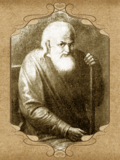 Alexis of BortsurmanyRighteous · Priest at BortsurmanyApr 21
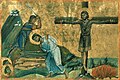 Theodorus of PergeMartyrApr 21
- PausilypusMartyrApr 21
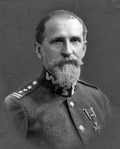 Basil MartyszHieromartyr · Priest of TeratynApr 21
- Cyprianus of BresciaSaint · Bishop of BresciaApr 21
- Euthymius ShervashidzeSaint · Metropolitan of GelatiApr 21
- Theodore the Philosopher of BolgarMartyr · MerchantApr 21
- Abdecalas, Ananias and a Hundred CompanionsHoly HieromartyrsApr 21
- Acutius of PozzuoliMartyrApr 21