
Saint
Metrophanes of Byzantium
Bishop of Byzantium
Bishop of Byzantium from 306 to 314, the first bishop mentioned by contemporary sources.
Life
Saint Metrophanes of Byzantium was bishop of Byzantium at the beginning of the fourth century, in the years before the city was raised up as the New Rome. He is the first bishop of the city mentioned by sources close to his own time. Tradition, however, has added a number of details that historians cannot prove. His feast is on 4 June.
Bishop of Byzantium
According to tradition, Metrophanes was the son of Dometius, bishop of Byzantium, whose family was said to be related to the emperor Probus, and the brother of Probus, also bishop of Byzantium. The Greek sources call him of noble birth. A Serbian source tells that Dometius fled from Rome in the time of persecution and came to Byzantium, where he was ordained priest and then became bishop. Historians today regard this genealogy as legendary. Metrophanes was elected bishop in 306 and served until 314, when, according to some sources, he left the throne because of age and illness. According to others he remained bishop until his death, in 313 or 314. Most sources, however, say that he died much later, in 326. Alexander succeeded him.
Almost nothing has been preserved about his childhood and youth. It is known that he lived in the time of the emperor Galerius and that of Constantine the Great, and that Byzantium was drawn into the wars between the emperors of the day. In a siege of 313 the city was taken by Maximinus Daia.
The tradition of Constantine and Nicaea
Later Lives link Metrophanes with Constantine the Great and the choice of Byzantium as the new capital. It is said that Constantine, on meeting him, loved him greatly. In old age, the same accounts say, Metrophanes, who is given 117 years, could not go to the First Ecumenical Council at Nicaea (325) and sent in his place Alexander, the first of his priests, whom he had appointed his successor. It is told that after the council it was revealed to the emperor by God that Alexander, and after him Paul, were pleasing to the Lord and worthy of the throne. In the version of the Synaxarion, Metrophanes prophesied about Alexander, took by the hand the archdeacon Athanasius, later Athanasius the Great, and praised him before all, then fell asleep in the Lord ten days later.
Scholars say the story about Nicaea arose from a confusion: Eusebius mentions an aged bishop of Rome, not of Byzantium, and the name of Metrophanes was added later by Gelasius of Cyzicus, in the fifth century. In this reconstruction Alexander already held the see before the council, and Metrophanes had died earlier. Neither Metrophanes nor Alexander is found in the lists of those present.
Tradition also says that the emperor gave him the title of patriarch, but Byzantium became capital only in 330, and its see was raised to a patriarchate in 451.
Veneration
After his death, it is said, a church was built in his name in the Heptaskalon, where his relics were also kept. He is commemorated on 4 June and in the Synaxis of the holy hierarchs of Constantinople. The Serbian Church also commemorates him on 4 June, by the old calendar.
Commemorated the same day June 4
 Mary of BethanyRighteous · Sister of LazarusJun 4
 Optatus of MilevisSaint · Bishop of MilevisJun 4
 Petroc of CornwallVenerable · British prince and missionaryJun 4
 Botolph of ThorneyVenerable · English abbotJun 4
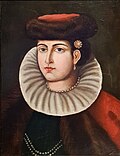 Sophia of SlutskRight-Believing · Princess of SlutskJun 4
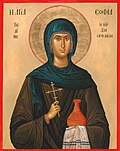 Sophia of ThraceVenerable · Mother of ThraceJun 4
 George BogićHieromartyr · Protopresbyter at NašiceJun 4
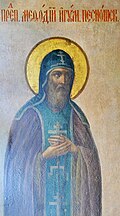 Methodius of PeshnoshaVenerable · Founder of Peshnosha MonasteryJun 4
- Clateus of BresciaHieromartyr · Bishop of BresciaJun 4
- Frontasius, Severinus, Severianus and SilanusHoly MartyrsJun 4
- 90 Hieromartyrs of Montenegro and the LittoralHoly HieromartyrsJun 4
- Aldegrin of ClunyVenerableJun 4