Martyr
Phocas the Gardener
Martyr of Sinope
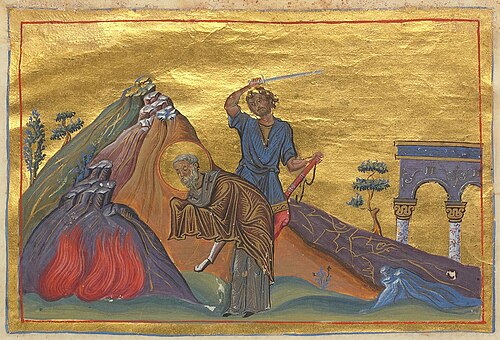
Martyr of Sinope called the Gardener; tradition has merged his life with that of two other saints named Phocas.
Life
Saint Phocas the Gardener lived at Sinope, on the Black Sea, and received martyrdom in the persecution of Diocletian, in 303. The Church remembers him on 22 September, and in some calendars also on 5 March. Tradition has merged his life with that of two other saints of the same name, Phocas of Antioch and Phocas, bishop of Sinope, and of the three only the Gardener is regarded by scholars as authentic.
According to tradition he was a gardener. With the produce of his garden he fed the poor and helped persecuted Christians, leaving part of the vegetables and fruit by the roadside for passers-by. He was known as a Christian who, by his virtues, brought many to the faith. In the persecution of Diocletian soldiers were sent to kill him. They did not know that their host was the man they sought and accepted his hospitality. Phocas even offered to help them find the man they were looking for. While the soldiers slept he dug his own grave and prayed, then arranged that all his goods be distributed to the poor after his death. In the morning, when the soldiers woke, Phocas told them who he was. The soldiers hesitated and offered to tell their commander they had searched in vain, but Phocas refused and bared his neck. He was beheaded and buried in the grave he had made himself.
He is mentioned by Asterius of Amasea, around 400. The name Phocas seems to come from the Greek word for "seal", which may explain why he is patron of sailors. A custom of seamen was to serve Phocas a portion of every meal, called "the portion of Saint Phocas". One of the voyagers bought it and the price was put in the captain's hands, and when the ship came into port, the money was distributed to the poor, in thanks to their benefactor for a good voyage. Something similar was done on the Baltic.
Commemorated the same day March 5
 Nikolaj VelimirovićSaint · Bishop of Ohrid and ŽičaMar 5
 Ivan ShishmanRight-Believing · Tsar of BulgariaMar 5
 Piran of CornwallVenerable · Abbot in CornwallMar 5
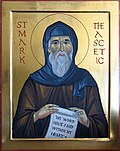 Mark the AsceticVenerable · Ascetic writerMar 5
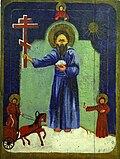 Conon the GardenerMartyr · Martyr of PamphyliaMar 5
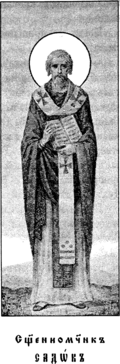 Sadoth of PersiaHieromartyr · Bishop of Seleucia-CtesiphonMar 5
- Theophilus of CaesareaSaint · Bishop of Caesarea in PalestineMar 5
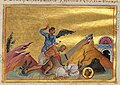 Adrian of CaesareaMartyr · Martyr of Caesarea in PalestineMar 5
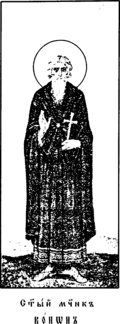 Conon of IsauriaHieromartyr · Martyr of IsauriaMar 5
- Nicholas PokrovskyHieromartyr · PriestMar 5
- John the BulgarianNew Martyr · New Martyr of ConstantinopleMar 5
- Archelaus of AntinoeMartyrMar 5