Holy Martyrs
Proclus and Hilary of Ancyra
Martyrs of Ancyra in Galatia who suffered for Christ.
Life
The Holy Martyrs Proclus and Hilary of Ancyra (also called Hilarion) were natives of the village of Kallippi near Ancyra and suffered during a persecution under Emperor Trajan (98 to 117). Proclus was arrested first. Brought before the governor Maximus, he fearlessly confessed his faith in Christ. The governor decided to compel him to submit to the emperor and offer sacrifice to the pagan gods. During his tortures the martyr predicted to Maximus that soon he himself would be compelled to confess Christ as the true God. They forced the martyr to run after the governor's chariot on the way to the village of Kallippi. Exhausted, Proclus prayed that the Lord would halt the chariot. By the power of God it halted, and no force could move it; the dignitary sitting in it became petrified. The martyr told him he would remain unmoving until he signed a document with a confession of Christ. Only after this could the chariot continue on its way with the governor.
The humiliated pagan took fierce revenge on Proclus. He commanded that Proclus be led out beyond the city, tied to a pillar and shot with arrows. The soldiers leading him told him to give in and save his life, but the saint said they should follow their orders. Along the way they met Hilarion, Proclus's nephew, who embraced his uncle with tears and also confessed himself a Christian. The soldiers seized him and threw him into prison. The holy Martyr Proclus prayed for his tormentors and surrendered his soul to God beneath a hail of arrows. Hilarion was brought to trial and, with the same courage, confessed himself a Christian. After tortures he was sentenced to death. They tied his hands and dragged him by his feet through the city, wounded and bloody, and then beheaded him three days after the death of his uncle. Christians buried them together in a single grave. They are commemorated on 12 July (new style; 25 July on the old calendar).
Commemorated the same day July 12
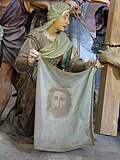 VeronicaSaint · Woman of JerusalemJul 12
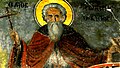 John the IberianVenerable · Founder of Iviron MonasteryJul 12
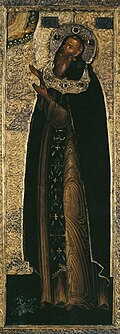 Michael MaleinosVenerable · Monk in Asia MinorJul 12
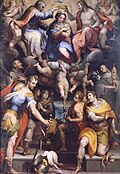 Nabor and FelixHoly MartyrsJul 12
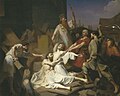 Theodore and John the VarangiansHoly Martyrs · Varangian martyrs of KievJul 12
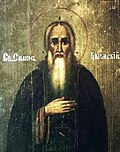 Simon of VolomskVenerable · Founder of the Volomsk HermitageJul 12
- GolindouchConfessorJul 12
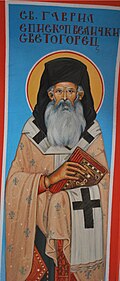 Gabriel the AthoniteSaint · Macedonian bishopJul 12
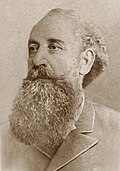 Philemon KoridzeRighteous · Opera singerJul 12
- Arsenius of NovgorodVenerable · Recluse and monastery founderJul 12
 Ansbald of PrümVenerable · Abbot of PrümJul 12
- BalaySaintJul 12