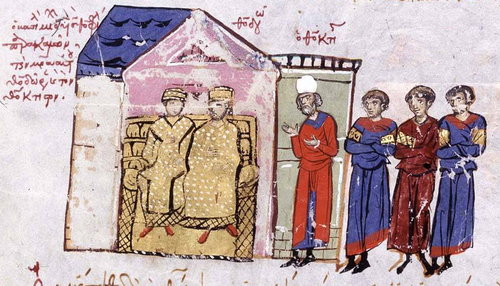
Confessor
Theoktistos
Theoktistos or Theoctistus (Ancient Greek: Θεόκτιστος; died 20 November 855) was a leading Byzantine official during the second quarter of the 9th century and the de facto head of the regency for the underage emperor Michael III from 842 un
- Feast
- November 20old style December 3
- Reposed
- 8559th century
- Place
- Constantinople
- Order
- Confessors
Life
Theoktistos was a high Byzantine official of the first half of the ninth century, known for his administrative and political skill, for his part in ending iconoclasm and for the renewal of education in the Empire. He was killed on 20 November 855, and the Church commemorates him on that day as a confessor.
He was a secret venerator of icons until the death of the last iconoclast emperor, Theophilos, in 842. In 843 he urged Empress Theodora to restore the veneration of icons officially, ending the second period of iconoclasm. After the election of Patriarch Methodius I a synod was held at Constantinople which condemned iconoclasm, an event remembered as the Triumph of Orthodoxy. The same year he called his nephews Cyril and Methodius to the capital to study, and set Methodius over a Slavic region. He is credited with a far-reaching educational programme and with founding the University of the Magnaura. After long intrigues around the imperial family he was killed, on the orders of the patrician Bardas, brother of Empress Theodora, and with the consent of the young Emperor Michael III. He held the office of kanikleios, keeper of the emperor's inkwell, who prepared the royal letters.
In the Greek calendar he is commemorated on 3 December, and the OCA lists him on 20 November; he is not in the present calendar of the Russian Church.
Commemorated the same day November 20
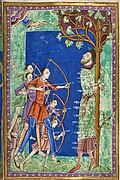 Edmund of East AngliaPassion-Bearer · King of East AngliaNov 20
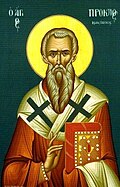 Proclus of ConstantinopleSaint · Archbishop of ConstantinopleNov 20
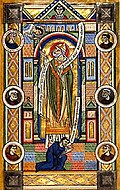 Bernward of HildesheimSaint · Bishop of HildesheimNov 20
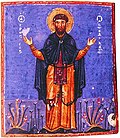 Gregory of DecapolisVenerable · Monk and wonderworkerNov 20
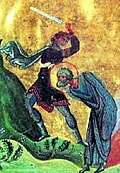 Dasius of DurostorumMartyr · Roman soldierNov 20
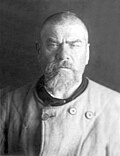 Hilarion PisaretsVenerable Martyr · HieromonkNov 20
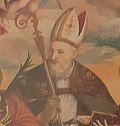 Simplicius of VeronaSaint · Bishop of VeronaNov 20
- Anatolius of NicaeaMartyrNov 20
- Diodorus of YuryegorskVenerable · Founder of the Demyan HermitageNov 20
- Joseph of PersiaHieromartyr · Disciple of Bishop NarsesNov 20
 Eutychius KachurVenerable Martyr · HegumenNov 20
- Tatiana FomichevaVenerable Martyr · NunNov 20