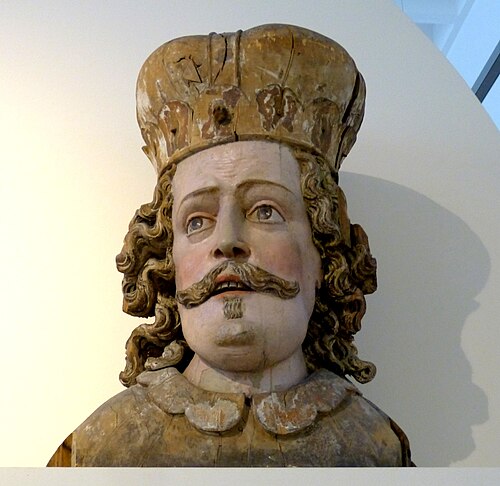
Martyr
Tiburtius of Rome
Martyr of Rome
Roman martyr of the early centuries, remembered on 11 August, the same day as Saint Susanna.
Life
Saint Tiburtius the Martyr was, according to Christian legend, a martyr of Rome, killed in the persecution of Diocletian. The Church remembers him on 11 August, the same day as Saint Susanna, to whom he was not related, but with whom he is sometimes commemorated.
The story is in the legend of Saint Sebastian: Agrestius Chromatius, said to be prefect of Rome, condemned several Christians to death, but was converted by Tranquillinus, father of Mark and Marcellian, and baptized by Polycarp. Tiburtius was Chromatius's son and was baptized at the urging of Sebastian, who was his godfather. In Diocletian's persecution he hid in his father's house. Accused by a traitor, he was brought before the prefect Fabian. He confessed his faith, which he confirmed by a miracle: protecting himself only with the sign of the cross, he walked barefoot over red-hot coals without any injury. The miracle was ascribed to magic, and Tiburtius was beheaded at the third milestone of the Via Labicana, in the year 286. The place of execution was called "at the two laurels" (ad duas lauros).
Pope Damasus I (366 to 384) mentions Tiburtius in epigram 23: "When the sword cut the pious womb of the mother, the outstanding martyr, despising the prince of the world, seeks the heights of heaven with Christ accompanying. Here for you holy honour and praises will ever remain. Kind Tiburtius, beloved of God, I beg you take care of Damasus." The Roman Martyrology says: "At Rome, in the cemetery at the two laurels at the third milestone of the Via Labicana, Saint Tiburtius, martyr, whose praises Pope Saint Damasus sang." His commemoration in the General Roman Calendar was removed in 1969, because apart from his name nothing is known of him except that he was buried in the cemetery between the two laurels on the Via Labicana.
Commemorated the same day August 11
 Nephon II of ConstantinopleSaint · Patriarch of ConstantinopleAug 11
 Susanna of RomeVenerable MartyrAug 11
 Alexander the Charcoal-burnerHieromartyr · Bishop of Comana in PontusAug 11
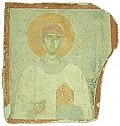 Euplus of CataniaMartyr · Deacon of CataniaAug 11
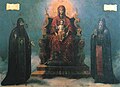 Basil and Theodore of the Kiev CavesHoly Venerable Martyrs · Monks of the Kiev CavesAug 11
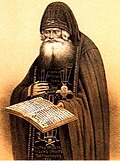 John of SviatohirskVenerable · Recluse of Sviatohirsk MonasteryAug 11
- Maximus of Asia MinorMartyrAug 11
- Alexander of RomeMartyrAug 11
- Anastasios PanerasNew MartyrAug 11
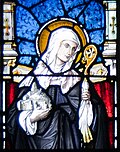 AttractaVenerableAug 11
- BanbhnatVenerableAug 11
- Basil of the CavesVenerable MartyrAug 11