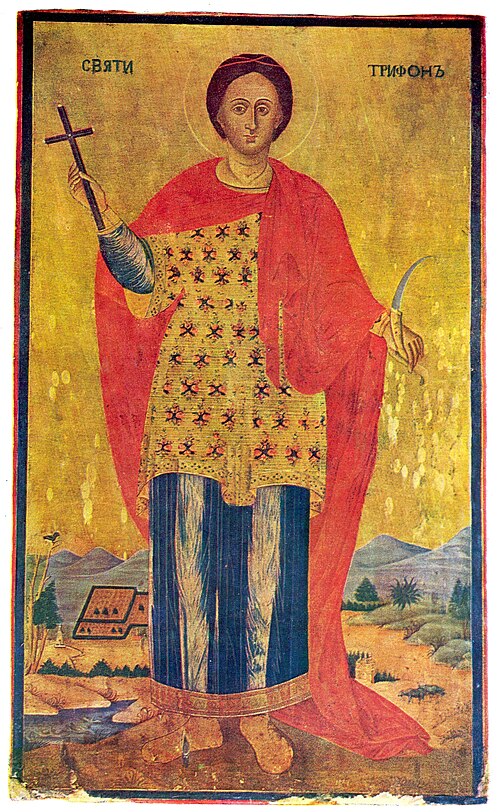
Holy Martyrs
Tryphon, Respicius and Nympha
Three early martyrs, Tryphon, Respicius and Nympha, remembered together in the martyrologies.
- Feast
- November 10old style November 23
- Era
- 3rd century
- Order
- Martyrs
Life
Holy Martyrs Tryphon, Respicius and Nympha are three martyrs of the early centuries, commemorated together in the Latin martyrologies on 10 November, from the eleventh century to the twentieth.
Tryphon is regarded as the same as the Holy Great Martyr Tryphon of Campsada in Phrygia, the unmercenary healer, whom the Orthodox and the Catholic Church commemorate separately on 1 February in the Menaion calendar (in the Churches that keep the old style, the same day falls on 14 February). He was born at Campsada and, as a boy, tended geese; he gained fame as a healer, especially of animals. In the persecution of Decius he was taken to Nicaea, around the year 250, and cruelly tortured; he was beheaded with a sword after converting the pagan prefect Licius. The stories of him are mixed with legendary elements. His relics were first buried at Campsada, then taken to Constantinople and to Rome; his head is kept in the cathedral at Kotor.
Respicius appears as Tryphon's companion in an account written around 1005 by the monk Theodoric of Fleury, on the basis of older legends. Their relics were kept together with those of the virgin Nympha at the hospital of the Holy Spirit in Sassia, and in 1566 Pope Pius V moved them to the church of Saint Augustine. One tradition makes Nympha a virgin martyr of Palermo, put to death for the faith at the beginning of the fourth century; according to other versions, she fled from Palermo before the Vandals and died in the sixth century at Savona. Some believe there were two saints of this name. Nympha is one of the patrons of Palermo. Respicius and Nympha were dropped from the Roman Martyrology, while Tryphon remained. They are saints of the undivided Church, without synodal canonization for Respicius and Nympha.
Commemorated the same day November 10
 Justus of CanterburySaint · Archbishop of CanterburyNov 10
 Herodion of PatrasApostle · Bishop of PatrasNov 10
 Erastus of CorinthApostle · Steward of CorinthNov 10
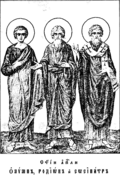 OlympasApostle · Greeted by the Apostle PaulNov 10
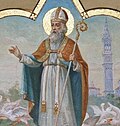 BaudolinoVenerable · Hermit of Forum FulviiNov 10
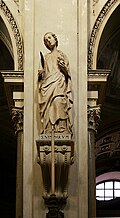 Nymphe of PalermoMartyr · Patron of PalermoNov 10
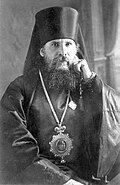 Augustine BelyaevHieromartyr · Archbishop of Kaluga and BorovskNov 10
 Konstanti-KakhayMartyr · Georgian nobleman of KartliNov 10
 Miles of SusaHieromartyr · Bishop of SusaNov 10
- Monitor of OrléansSaint · Bishop of OrléansNov 10
 Apollon BabichevNew Martyr · Psalm-readerNov 10
- John SkadovskyHieromartyr · PriestNov 10