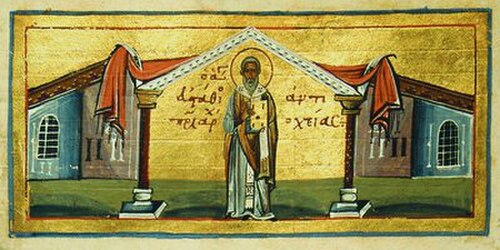
Saint
Eustathius of Antioch
Patriarch of Antioch
Patriarch of Antioch in the fourth century, defender of the Nicene faith against the Arians.
- Feast
- February 21old style March 6
- Reposed
- 3374th century
- Place
- Traianoupoli
- Order
- Hierarchs
Life
Saint Eustathius, called the Great, was patriarch of Antioch in the fourth century and defender of the faith of Nicaea against the Arians. He is commemorated on 21 February by the Orthodox, the Syriac and the Coptic Churches.
Beginnings
He was born at Side in Pamphylia, in the second half of the third century. Around 320 he was bishop of Beroea (Syria), loved and honoured by the people, and at the request of his flock was raised to the see of Antioch, not long before the First Ecumenical Council in 325. He was a very learned man and knew the sciences of the world well. When Arianism began to spread in the East, he struggled zealously, in word and in writing, for the purity of the true faith. At Nicaea he distinguished himself in the struggle against the Arians; together with Marcellus and Alexander of Alexandria, he had a significant influence on the framing of the Creed. According to some sources he was even the first president of the council. “Mad Arius”, as he called him, was deposed and excommunicated by the council, with those of the same mind.
Exile
By the vehemence with which he opposed Eusebius of Nicomedia, Eustathius was not loved by many bishops of the East. Among those who had signed the Creed were some who were close to Arius and had signed only for fear of excommunication. After the council their intrigues against him began. A synod gathered at Antioch in 330 deposed him, on the charge of Sabellianism, according to some; according to others a woman, bribed, came to the synod with an infant and falsely declared that Eustathius was the father. According to Saint Athanasius, Eusebius also denounced him to the emperor for speaking ill of his mother. The emperor Constantine confirmed the decision and exiled him to Thrace, to Trajanopolis (according to other sources, Philippi). The people of Antioch rose up and were ready to take arms in his defence, but Eustathius held them back, urging them to stand firm in the faith, and left for exile, accompanied by a large part of his clergy. The falsity of the charge was soon revealed: the woman, falling gravely ill, repented and confessed her false accusation before many. But by then Constantine had died, and his son Constantius, who favoured the Arians, did not let him return. Eustathius died in exile, probably around 337 (according to others, much later, around 370).
Veneration
In 482 his relics were moved with honour to Antioch, to the great joy of the Antiochenes, who had never ceased to honour and love their confessor patriarch. He was honoured by Saint Basil the Great, Saint John Chrysostom, Saint Athanasius, Saint Epiphanius and Saint Jerome, and Theodoret of Cyrus called him a pillar of the Church. After his death his followers, the Eustathians, would not recognise Meletius, elected bishop of Antioch in 360, even after the election was confirmed by the synod of Alexandria in 362; from this came the Meletian schism, which lasted until the second decade of the fifth century. Of his writings, directed mainly against the Arians, only the work “On the Witch of Endor, against Origen” survives complete. Fragments are found in Theodoret and in the acts of the Second Ecumenical Council.
Commemorated the same day February 21
 Pepin of LandenRight-Believing · Mayor of the Palace of AustrasiaFeb 21
- John III ScholasticusSaint · Patriarch of ConstantinopleFeb 21
 Zacharias of JerusalemSaint · Patriarch of JerusalemFeb 21
 Germanus of GranfeldenVenerable Martyr · First abbot of Moutier-GrandvalFeb 21
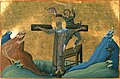 Peter of CapitoliasHieromartyr · Priest of CapitoliasFeb 21
- George of AmastrisSaint · Bishop of AmastrisFeb 21
 GondelbertVenerable · Founder of Senones AbbeyFeb 21
- Felix of MetzSaint · Bishop of MetzFeb 21
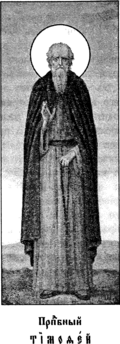 Timothy of SymbolaVenerable · Hermit of BithyniaFeb 21
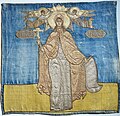 IreneSaintFeb 21
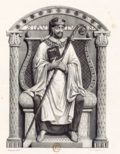 Avitus II of ClermontSaint · Bishop of ClermontFeb 21
- AndrewSaintFeb 21