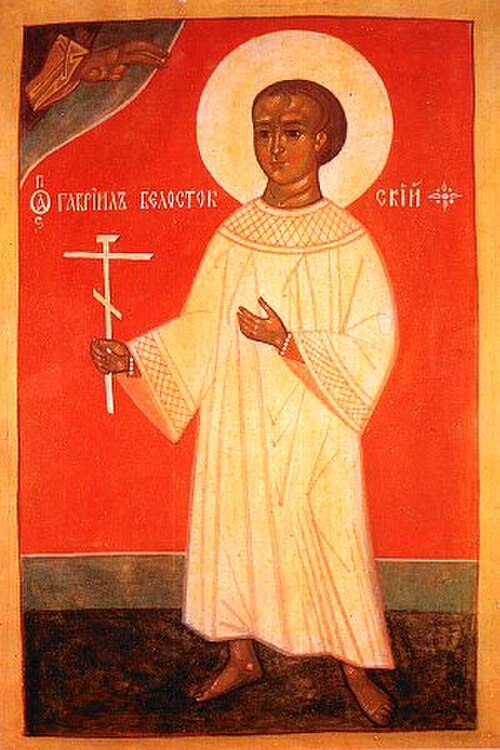
Martyr
Gabriel of Zabłudów
Child martyr
Child born in 1684 and dead in 1690, honored as a martyr in the Orthodox Church in Poland and Belarus.
Life
Saint Gabriel of Zabłudów, also called Gabriel of Białystok, is venerated in the Orthodox Church, above all in Poland and Belarus, as a child martyr and patron of children. He is said to have been born in 1684 and to have died in 1690 in the village of Zwierki in Podlasie. His feast is on 20 April by the Julian calendar, which is 3 May by the civil one.
According to Church tradition, Gabriel's name was Gabriel Petrovich Govdel, and he was the son of devout Orthodox peasants, Peter and Anastasia. In 1690, when he was six and his parents were working in a nearby field, he disappeared, and a few days later his body was found dead in the field. Tradition says a Jewish leaseholder from the village was to blame. However, no archival records of the events are known, and many scholars, Jewish ones among them, regard the story as an example of the false accusation of "ritual murder" against Jews, a legend that may have taken shape after the discovery of the relics. The Orthodox Church in America, which still honours the child martyr, speaks in his service only of "evil people" and of the evil of which fallen man is capable, regardless of ethnicity or creed.
The body was buried by the cemetery church in the village. In 1720, at a burial of children during an epidemic, the grave was accidentally disturbed and the body was found uncorrupted. The relics were placed in the crypt of the church at Zwierki, and in 1746, when the church burned, they remained intact; it is said that only the child's little hand was scorched, and that it healed after the relics were moved to the monastery at Zabłudów. His veneration grew because of healings at his grave. In 1755 the relics were taken to the Holy Trinity Monastery in Slutsk, in Belarus. Gabriel was canonized in 1820.
In the 1930s the relics were taken to the Museum of Atheism in Minsk, in 1944 to Grodno, and in 1992 to Białystok, where they remain and are a place of pilgrimage.
Commemorated the same day April 20
 AnicetusSaint · Bishop of RomeApr 20
 ZacchaeusApostle · Tax Collector of JerichoApr 20
 Anastasius I of AntiochSaint · Patriarch of AntiochApr 20
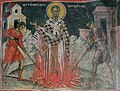 Anastasius II of AntiochHieromartyr · Patriarch of AntiochApr 20
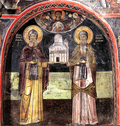 Joasaph of MeteoraVenerable · Former ruler of ThessalyApr 20
 Beuno of Clynnog FawrVenerable · Abbot of Clynnog FawrApr 20
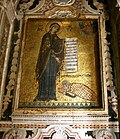 Gregory of AntiochSaint · Patriarch of AntiochApr 20
- Athanasios the MeteoriteVenerable · Founder of the Meteora monasteriesApr 20
 Prokopios of IconiumHieromartyr · Metropolitan of IconiumApr 20
 Alexander of OshevenskVenerable · Founder of Oshevensk MonasteryApr 20
- Mar AwginVenerableApr 20
Theodosius GanitskyConfessor · Bishop of KolomnaApr 20