Saint
Gratus of Aosta
Bishop of Aosta
Bishop of Aosta and patron of the city, who died around 470.
- Feast
- September 7old style September 20
- Reposed
- 4705th century
- Place
- Aosta
- Order
- Hierarchs
Life
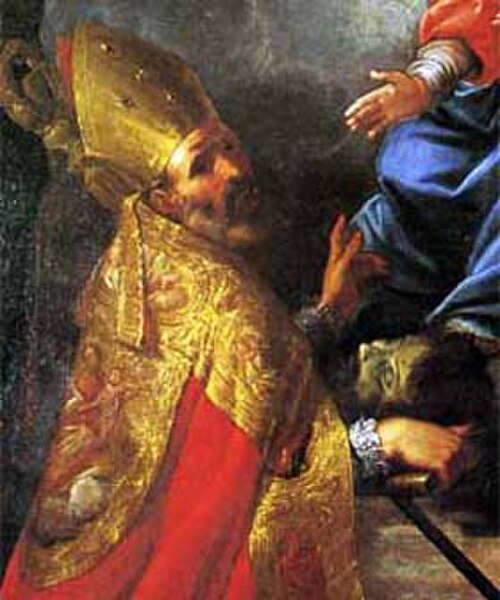
Saint Gratus is the fifth-century bishop of Aosta, patron of the city and of the Aosta Valley, who died around the year 470. The Church remembers him on 7 September.
It is thought that he and Eustasius, his predecessor in the see of Aosta, were both of Greek origin and were formed in a community of the kind founded in Italy by Eusebius of Vercelli, on the model of the Eastern cenobia. Gratus is known from the year 451 as a priest. At the synod of Milan that year he represented Bishop Eustasius and signed the letter the assembly sent to Pope Leo the Great, confirming its condemnation of the heresy of Eutyches. He became bishop of Aosta in some year after 451.
Around 470 he presided over the translation to the city of several relics, among them those of Innocent, one of the martyrs of the Theban Legion. The bishops of Agaunum and Sion were present at the ceremony. The year of his death is unknown, but the day is known: on his tomb in the parish church of Saint-Christophe an inscription records him resting in peace on 7 September. His relics are kept in the collegiate church of Saint Ursus in Aosta, in a gold and silver reliquary, where they were brought from the church of Saint Laurence in the twelfth and thirteenth centuries. In those years his cult spread widely. In the diocese of Aosta the translation of his relics is also celebrated, on a 27 March.
In the Middle Ages Gratus was invoked against natural disasters: floods caused by melting snow, drought, hail, fire, and the grasshoppers and moles that ravaged the fields. In 1450 he was called on against a plague of insects in the Tarentaise. He is prayed to above all for the protection of crops. An ancient custom of pagan origin includes a blessing of the earth, the water and the candles at the coming of spring.
In 1285 the canon Jacques de Cours composed, on the occasion of a translation of relics, the Great Legend of Saint Gratus, a text that recounts at length an eventful life (Gratus born into a noble family of Sparta, a student at Athens, sent to the court of Charlemagne, travelling to the Holy Land to find the head of Saint John the Baptist). Historians have shown that the tale is invented and anachronistic, but it spread the saint's cult across Piedmont, Lombardy, Switzerland and Savoy. Saint Gratus is patron of Aosta, of the Aosta Valley and of several places in Piedmont, Savoy and Switzerland.
Commemorated the same day September 7
 KassiaVenerable · Abbess and HymnographerSep 7
 ClodoaldVenerable · Merovingian prince and hermitSep 7
 Regina of AutunMartyrSep 7
 Alexander PeresvetVenerable · Warrior monk of the Trinity LavraSep 7
 Gauzelin of ToulSaint · Bishop of ToulSep 7
 John of NovgorodSaint · Archbishop of NovgorodSep 7
 ChiaffredoMartyr · Patron of SaluzzoSep 7
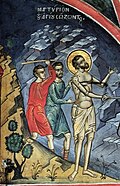 SozonMartyr · Shepherd of CiliciaSep 7
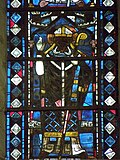 Alpinus of ChâlonsSaint · Bishop of ChâlonsSep 7
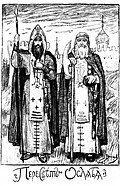 Andrew OslyabyaVenerable · Monk of the Trinity LavraSep 7
- Macarius of OptinaVenerable · Hieroschemamonk of OptinaSep 7
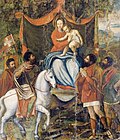 Paragorius of NoliMartyrSep 7