Venerable
Hadji-Georgis the Athonite
Monk from Cappadocia
Greek monk and ascetic from Cappadocia, born in 1809 and died in 1886.
- Feast
- December 17old style December 30
- Reposed
- 188619th century
- Place
- Istanbul
- Order
- Venerables
Life
Venerable Hadji-Georgis the Athonite (in the world Gabriel) was a Greek monk and ascetic from Cappadocia, born in 1809 at Kermira, in the Kayseri region, and fallen asleep at Constantinople on 17 December 1886 (30 December on the new calendar). He was glorified among the saints by the Ecumenical Patriarchate on 11 February 2026. He is remembered on 17 December.
Youth
He was born in 1809 at Kermira (also Germir or Kermil), now in Melikgazi, Kayseri province, in Turkey. His father, Jordan, was from Kermira, and his mother, Maria, from Gelveri (now Güzelyurt). He had a brother, Anastasios. At fourteen he moved with his family to Constantinople, to his uncle, who was an official at the court of Sultan Mahmud II. Gabriel served four years at the sultan's court. From youth he had shown an inclination to monastic life and ascetic labour.
Mount Athos
In 1828, during the Greek War of Independence, he left Constantinople and went by boat to the Gregoriou monastery on Mount Athos. He was tonsured a monk there and then moved to Kafsokalyvia, where he was a disciple of Father Neophytos Karamanlis. At Kafsokalyvia he stayed four years in the cave of Saint Niphon of Kafsokalyvia, then moved to the hut of Saint George, where the brotherhood of Father Neophytos lived. Then he went to Kerasia, with the brotherhood of Father Neophytos. At Kerasia he became an elder in 1848, after Father Neophytos had moved to live in the cell of Saint Nicholas in Karyes, which belonged to the Simonopetra monastery. There Hadji-Georgis founded his own brotherhood. His disciples founded brotherhoods at other cells and sketes; a group of six disciples led by Father Evlogios founded a brotherhood at the cell of Saint George Phaneromenos, near Karyes. Later Hadji-Georgis founded the cell of Saint Stephen at the Gregoriou monastery. A Greek source says that he was known for his strict fasting, unceasing prayer and works of charity, and that the nickname Hadji comes from a pilgrimage of his to the Holy Places.
Exile and repose
On 27 October 1882 the Russian cell of Saint Stephen at Kapsala expelled Hadji-Georgis. He spent the rest of his life in exile in Constantinople, in the reign of Sultan Abdul Hamid II. There, it is said, he was a wonderworker and healed many people. He fell asleep on 30 December 1886 (17 December on the old calendar) and was buried at the church of the Life-giving Spring of the Mother of God at Balıklı, in Istanbul. His brother, Anastasios, who died in 1883, was buried there too.
Glorification
The Holy Synod of the Ecumenical Patriarchate, under the presidency of Patriarch Bartholomew, decided on 11 February 2026 to enter him in the Synaxarion of the Orthodox Church, appointing his commemoration on 17 December, the day of his repose. The tradition of the Church counts him an example of ascetic life, with emphasis on prayer, humility and love of neighbour.
Commemorated the same day December 17
 DanielProphet · The ProphetDec 17
 Ananias, Azarias and MisaelHoly The Righteous · The Three Holy YouthsDec 17
 BeggaVenerable · Founder of Andenne AbbeyDec 17
 AzariahProphet · Old Testament prophetDec 17
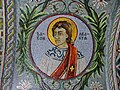 Avakum the DeaconNew Martyr · Deacon of Moštanica MonasteryDec 17
- Sergius FlorinskyHieromartyr · Archpriest at RakvereDec 17
- Michael the SynkellosVenerable · Confessor of ConstantinopleDec 17
- Abramius of EleutheropolisMartyrDec 17
- Alexander SavelovHieromartyrDec 17
- AnaniasMartyr · Youth of BabylonDec 17
- AnthonyHoly VenerablesDec 17
- BriarchVenerableDec 17