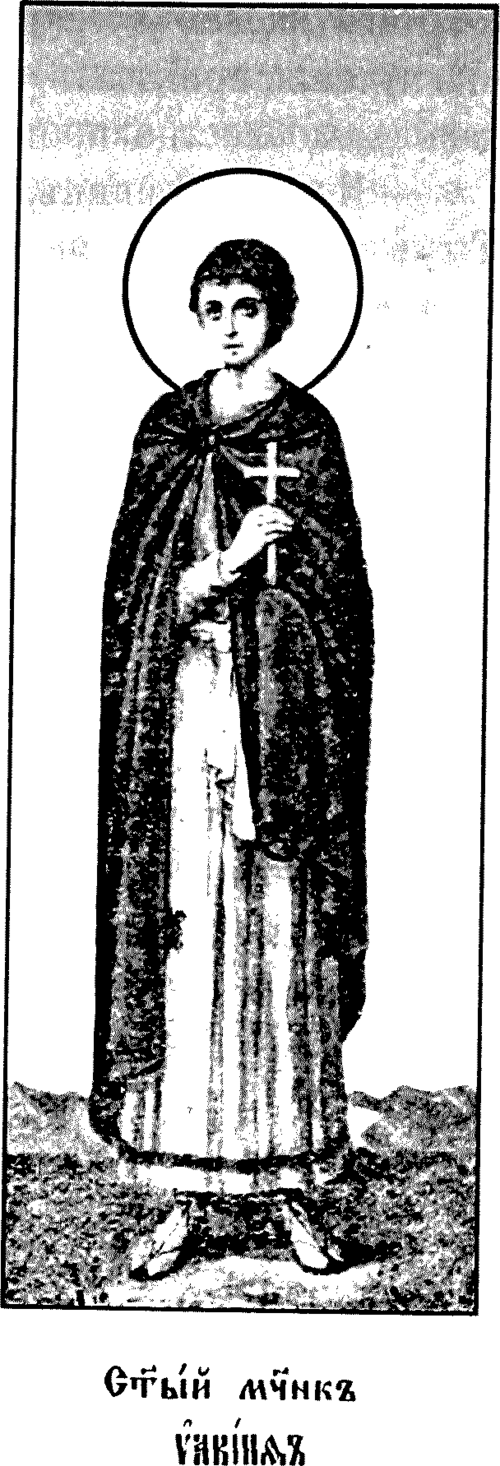
Martyr
Hyacinth of Caesarea
Martyr of Caesarea
Young Christian who died a martyr in 108, honored in both the Orthodox and the Catholic Church.
Life
Saint Hyacinth the Martyr was a young Christian of Caesarea in Cappadocia, put to death for faith in Christ in 108, in Rome. He is venerated by both the Orthodox and the Roman Catholic Church. The Church remembers him on 3 July.
According to tradition he was born into a Christian family in Caesarea in Cappadocia. As a boy he was appointed assistant to the chamberlain of the emperor Trajan. His failure to take part in the sacrifices to the Roman gods was soon noticed by others in the imperial household. When he was denounced as a Christian, Hyacinth confessed his faith. For this he was imprisoned and underwent many scourgings and tortures. He was deliberately given only food blessed for sacrifice to the gods, which Christians were forbidden to eat. So he starved to death in 108, at the age of twelve, or twenty according to some sources, in prison, after thirty-eight days according to the Serbian sources. It is told that before he died the jailers saw him comforted by angels, who placed a crown on his head and covered his body with a shining robe.
His relics were later moved to Caesarea. In the church of the former Fürstenfeld Abbey in Bavaria there is a skeleton adorned with jewels in a gilded glass case marked "S. HYACINTHUS M.", which arrived at an unknown time. In Crete, at Anogeia, a chapel dedicated to him was built in 1998, where a festival called the Hyakinthia is held each year. He should not be confused with the martyr Hyacinth of the mid-third century nor with the Polish Dominican saint Hyacinth of Poland.
Commemorated the same day July 3
 Leo II of RomeSaint · Bishop of RomeJul 3
 Anatolius of ConstantinopleSaint · Patriarch of ConstantinopleJul 3
- Anatolius of LaodiceaSaint · Bishop of LaodiceaJul 3
 Heliodorus of AltinoSaint · First bishop of AltinumJul 3
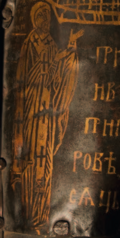 Basil KalikaSaint · Archbishop of NovgorodJul 3
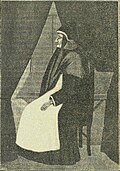 Euphrosyne of KolyupanovoFool-for-Christ · Fool for Christ and hermitJul 3
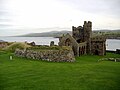 Germanus of ManSaint · First bishop of the Isle of ManJul 3
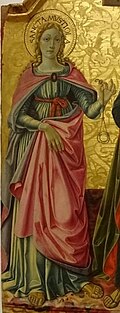 MustiolaMartyr · Martyr of ChiusiJul 3
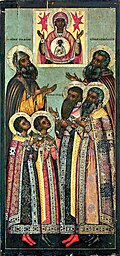 Basil Vsevolodovich of YaroslavlRight-Believing · Prince of YaroslavlJul 3
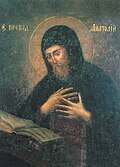 Anatolius the RecluseVenerable · Recluse of the Kiev CavesJul 3
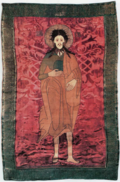 John of YarenskVenerableJul 3
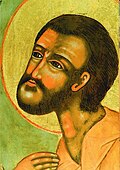 Longinus of YarenskVenerableJul 3