Martyr
Julian of Dalmatia
Martyr of Dalmatia, who suffered for Christ.
Life
Holy Martyr Julian of Dalmatia, also called the Athenian, suffered in the time of the Emperor Antoninus Pius (138-161), in Campania in Italy. The Church commemorates him on 10 August (new style).
The governor Flavian had given an order that Christians be sought out and brought to trial. At that time the young Christian Julian arrived in Campania from Dalmatia. Meeting the governor's soldiers, he greeted them: "Peace to you, brothers." The soldiers asked him where he was from and what faith he confessed, and Julian, wishing to suffer and die for Christ, fearlessly declared that he was a Christian. They marvelled at the young man's courage, but, obeying the order, bound him and led him to the governor, saying: "Let us see how true your words are, that you want to die for the Crucified."
Enduring the beatings, the saint prayed to the Lord to give him strength to bear the torments to the end. The prayer was heard and he heard a voice: "Do not fear, Julian, I will be with you and will give you strength and courage." He was shut in a prison called the "Cold Ditch", where they kept him seven days without food or water, while an angel of God brought him food and strengthened him. At a new trial the governor reproached him that it was shameful for so handsome a youth to worship One crucified on a Cross, and ordered him to sacrifice to idols. The saint answered boldly that he was ready to die for the true faith. The governor ordered him tied to a tree and beaten. The martyr prayed and again heard the voice: "Do not fear, Julian, stand manfully." Addressing the crowd around him, he said: "Listen, wretched ones, do not trust the gods that you have made with your own hands. Know God, who made heaven and earth out of nothing." After his words more than thirty people believed in Christ, and the saint was taken again to prison.
In the morning, when new tortures began, it was announced that the temple of the god Serapis, with the idol in it, had collapsed. All were astonished and terrified, while the Christians rejoiced and glorified Christ. The pagans ascribed the collapse to Julian's sorcery and demanded that he be executed as soon as possible, on the very ruins of the temple. Before the execution Julian knelt and prayed, thanking the Lord who had made him worthy to die for His holy Name. For the third time he heard the voice calling him into the Kingdom of heaven. The martyr was put to the sword and went to the Lord, whom he had loved more than earthly life.
Commemorated the same day July 28
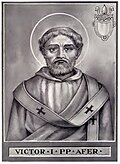 Victor ISaint · Bishop of RomeJul 28
 ProchorusApostle · One of the Seven DeaconsJul 28
- ParmenasApostle · One of the Seven DeaconsJul 28
 Irene of ChrysobalantonVenerable · Abbess of Chrysobalanton MonasteryJul 28
- Nicolas the DeaconApostle · One of the Seven DeaconsJul 28
 Paul of XeropotamouVenerable · Athonite asceticJul 28
- Acacius the YoungerMartyrJul 28
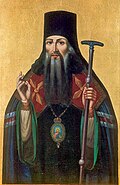 Pitirim of TambovSaint · Bishop of TambovJul 28
- Ardwyne of CepranoSaintJul 28
- Acatius of MiletusMartyr · Martyr of MiletusJul 28
- Anastasia KamaevaVenerable MartyrJul 28
- Anthimus of SaraiHieromartyrJul 28