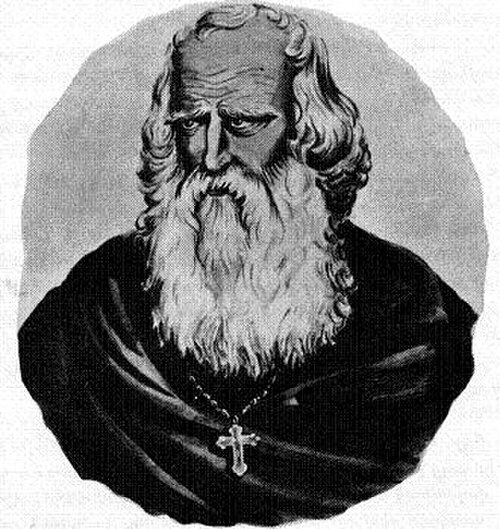
Saint
Nerses the Great
Catholicos of Armenia
Catholicos of Armenia in the fourth century, who died around 373, also known as Nerses the Parthian.
- Feast
- November 19old style December 2
- Reposed
- 3734th century
- Order
- Hierarchs
Life
Saint Nerses the Great was Catholicos of the Armenian Church from 353 to 373, in the fourth century. He was of the family of Saint Gregory the Illuminator, the founder of the Armenian Church, and is counted among the fathers of that Church. His patriarchate opened a new era in Armenian history, for he brought the Church closer to the people. His feast is kept on 19 November.
He was the son of Atanagines and an Arsacid princess, grandson of Catholicos Husik, and great-grandson of Saint Gregory. Leadership of the Church had been the hereditary right of his family since Gregory, but Nerses's father and uncle declined the see and chose military careers. Nerses received a Hellenistic education in Caesarea of Cappadocia and married there. According to a later Life, his wife was Sandukht, of the Mamikonian family, who died after bearing him a son, Isaac (Sahak), who would also become catholicos. After her death he pursued a military career in the service of King Arshak II. A few years later he entered the clerical state and was chosen catholicos, probably in 353, and confirmed at Caesarea according to tradition. He was the last Armenian patriarch consecrated there.
Until then the Church had been identified more with the royal house and the nobles. Nerses brought it close to the people. At the Council of Ashtishat he issued many rules on marriage, fast days and worship. Among other things he forbade marriage between first cousins and the mutilation and other extreme acts practised in mourning. He built schools, hospitals, leprosaria and poorhouses and sent monks throughout the land to preach the Gospel.
His relations with Arshak soon soured, over some of the catholicos's reforms, the king's destruction of certain noble houses and his pro-Arian policy. According to the sources, Nerses never again appeared at the king's court after Arshak had his own nephew Gnel killed, against the catholicos's urging. In 359 or 360 he was sent into exile for about nine years with other bishops opposed to Arianism. In the Armenian accounts the Emperor Valens, angered that Nerses had rebuked him for following the teaching of Arius, ordered the exile. In exile he remained the leader of the Armenian Church. He returned to his see when King Pap came to the throne in 369 or 370. He rebuilt churches and monasteries destroyed during the Persian occupation and strove to remove Zoroastrian influence.
Pap proved a dissolute ruler, and Nerses forbade him entry to the church. Other historians believe Nerses tried to keep the young king under his influence, and that Pap then dissolved the patriarch's charitable institutions and seized Church property. According to the Armenian historians, in 373 Pap invited him to his table under the pretence of reconciliation and poisoned him. According to another view, Nerses died of a lung illness he had contracted long before. Pap appointed a successor without the approval of Caesarea, which refused to recognise him. In medieval Armenia a legend also spread of a prophetic vision seen by Nerses in his dying moments, which the early sources do not mention.
Commemorated the same day November 19
 ObadiahProphet · The ProphetNov 19
 Eucherius of LyonSaint · Bishop of LyonNov 19
 Philaret of MoscowSaint · Metropolitan of MoscowNov 19
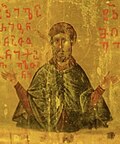 Hilarion the GeorgianVenerable · Georgian monk and wonderworkerNov 19
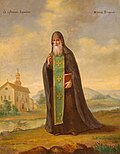 Barlaam of the Kyiv CavesVenerable · First Abbot of the Caves LavraNov 19
 Porphyrios the KavsokalyviteVenerable · Athonite hieromonkNov 19
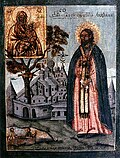 Adrian of PoshekhonyeVenerable Martyr · Abbot of the Dormition MonasteryNov 19
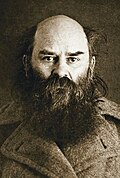 Joasaph UdalovHieromartyr · Bishop of ChistopolNov 19
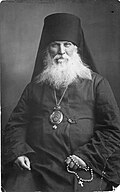 Porphyry GulevichHieromartyr · Bishop of SimferopolNov 19
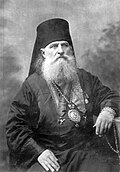 Alexis BelkovskyHieromartyr · Archbishop of Velikiy UstyugNov 19
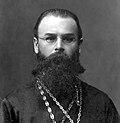 Macarius KarmazinHieromartyr · Bishop of YekaterinoslavNov 19
- Azes of IsauriaMartyrNov 19