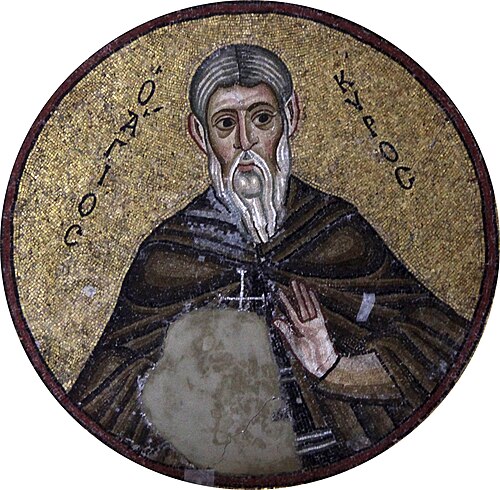
Saint
Kyros of Constantinople
Patriarch of Constantinople
Ecumenical Patriarch of Constantinople from 705 to 711, who died in January 712.
Life
Saint Kyros (Cyrus) was ecumenical patriarch of Constantinople from 705 to 711 and fell asleep in January 712 (in some sources, 714). His feast is on 21 January (8 January, Old Style); the Catholic Church commemorates him on 7 January.
Before becoming patriarch he was a hieromonk and abbot of a monastery near the city of Amastris, in Paphlagonia, on the Black Sea coast. According to the accounts of Nikephoros I and Theophanes the Confessor, the emperor Justinian II, on the road of exile to Cherson, met the monk Kyros, who prophesied that he would return to the throne. When this happened, Justinian deposed Patriarch Callinicus I and put Kyros in his place, in September 705, as a reward for the prophecy of ten years before. Nikephoros says that Kyros was the seventieth bishop of the see of Constantinople.
In his patriarchate the Church and the Empire were troubled by the Monophysite and Monothelite heresies, though they had been condemned by the Fourth and Sixth Ecumenical Councils; Kyros defended the decisions of the Fifth and Sixth Councils and fought Monothelitism. He sought to end the schism between Constantinople and Rome, caused by Pope Sergius I's refusal to accept the decisions of the Council in Trullo (691-692); in the spring of 711 he led the procession that met Pope Constantine near Constantinople, in the discussions concerning the marriage of clergy and the Roman Saturday fast (canons 13 and 55 of the Council). He excommunicated the prince Smbat Bagratuni, who had plundered the city of Phasis after a quarrel with the emperor.
At the end of 711 Justinian II and his young son were put to death, and power was taken by Philippicus Bardanes, who turned the Church toward Monothelitism. Kyros, who stood against this policy, was deposed and, according to Byzantine sources, sent to the Chora monastery, where he died; Latin sources say he returned to his monastery at Amastris. His successor was John VI. The years of his patriarchate are given differently: the Orthodox Encyclopedia, September 705 - December 711; other lists, 705 or 706 - 711 or 712.
Commemorated the same day January 8
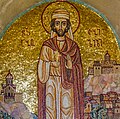 Abo of TiflisMartyr · Patron of TbilisiJan 8
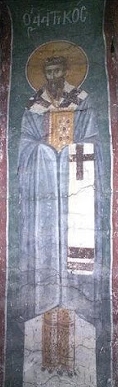 Atticus of ConstantinopleSaint · Archbishop of ConstantinopleJan 8
 Apollinaris of HierapolisSaint · Bishop of HierapolisJan 8
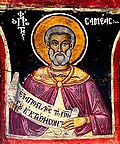 ShemaiahProphet · Prophet in the time of RehoboamJan 8
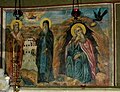 George of ChozibaVenerable · Abbot of Choziba MonasteryJan 8
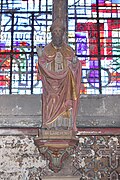 Lucian of BeauvaisHieromartyr · Apostle of BeauvaisJan 8
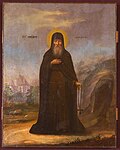 Gregory of the Kiev CavesVenerable Martyr · Wonderworker of the Kiev CavesJan 8
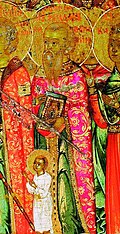 Isidore of YuryevHieromartyr · Priest at TartuJan 8
 Domnica of CarthageVenerable · Virgin of CarthageJan 8
- Elias the HermitVenerable · Hermit of EgyptJan 8
- Gregory of OhridSaintJan 8
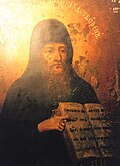 Gregory the RecluseVenerable · Recluse of the Kiev CavesJan 8