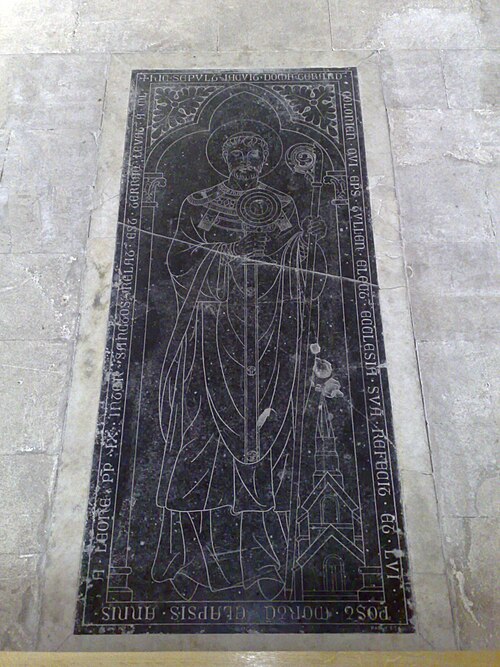
Saint
Gerard of Toul
Bishop of Toul
German prelate who was Bishop of Toul from 963 until his death in 994.
Life
Saint Gerard (in German Gerhard) was a German prelate, bishop of Toul from 963 until his death in 994. He was born around 935 at Cologne and died on the night of 23 April 994. He is commemorated on 23 April. Pope Leo IX, his successor in the see of Toul, canonized him on 21 October 1050 at Rome.
Youth and calling
He was born of the nobles Ingranne and Emma and was known from childhood for his piety. He was educated at Cologne. It is believed he entered the priesthood after his mother was struck dead by lightning, which he took as divine judgment for his sins and a call to service. At ordination he became a canon of Cologne cathedral.
Bishop of Toul
At that time Toul had great independence under its bishops, and Gerard proved a capable and respected leader after he was appointed bishop (on 3 March 963) and consecrated on 19 March at Trier. Bruno the Great, on behalf of Pope John XII, appointed him to the diocese of Toul. He accepted the post reluctantly. His concern as bishop was to restore all the properties the Church held and to end the involvement of laymen in church affairs. He founded religious schools in the diocese and invited to teach and learn in them scholars from Europe, especially Greeks, and monks from Ireland. He rebuilt churches, among them Toul cathedral, which he consecrated in 981, and founded a convent for nuns. He avoided meeting Emperor Otto II, who wanted to have him close as an adviser. The Vita Sancti Gerardi tells that, while he was ill, he had the relics of Saints Mansuetus and Aprus, earlier bishops of the diocese, brought and placed in the church of Saint John the Baptist. He is said to have devised the use of the plant called in the Middle Ages "herb Gerald", used to treat gout. He studied Holy Scripture and the lives and teachings of the saints. He died in the night of 23 April 994 and was buried in the cathedral of the diocese, in the choir.
Canonization
His reputation for holiness was seen in life, and after death miracles at his tomb were recorded. The canonization was celebrated under Pope Leo IX, at Rome, on 21 October 1050, a pope who succeeded him in the see of Toul and venerated the late bishop. His remains were exhumed in the presence of Leo IX, at Toul, on the night of 20 October 1051, and his white hair was found well preserved.
Commemorated the same day April 23
 GeorgeGreat Martyr · The Trophy-BearerApr 23
 Alexandra FeodorovnaPassion-Bearer · Empress of RussiaApr 23
 Adalbert of PragueHieromartyr · Bishop of PragueApr 23
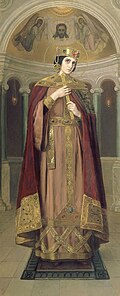 Alexandra the EmpressMartyr · Empress, martyr of NicomediaApr 23
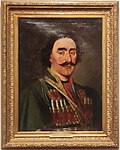 Solomon I the GreatRight-Believing · King of ImeretiApr 23
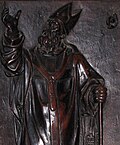 Marolus of MilanSaint · Archbishop of MilanApr 23
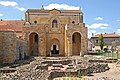 Felix, Fortunatus and AchilleusMartyr · Martyrs of ValenceApr 23
 Therinus of ButhrotumSaintApr 23
 Athanasius the MagicianMartyrApr 23
 Lazarus the BulgarianNew MartyrApr 23
- Sophia of KleisouraVenerableApr 23
- AlcheachSaintApr 23