Martyr
Julian of Alexandria
Martyr of Alexandria, who suffered for Christ.
- Feast
- October 30old style November 12
- Era
- unknown
- Order
- Martyrs
Life
Holy Martyr Julian of Alexandria suffered at the beginning of the reign of Decius (249-251), in Alexandria, together with his servant Cronion (Eunus), the soldier Besas (Visa) and Macarius. The Church commemorates them on 12 November, according to the Greek calendar.
In the years of the terrible persecution of the Emperor Decius there were in Alexandria many Christians worthy of praise, witnesses of the Kingdom of God, who stayed unshaken amid torments. The first was the old man Julian, who suffered from gout and could neither stand nor walk. He was brought to the judge by two servants, one of whom immediately denied Christ, while the other, Cronion, called Eunus, firmly confessed the faith together with Julian. They were set on camels and paraded through the whole city, being scourged without ceasing. Outside the city they were burned on a mighty fire, before all the people. The anger of the pagans against the Christians was so great that a soldier, Besas, also called Visa, who defended Cronion and Julian from the fury of the mob, was seized, taken to the place of execution and beheaded. Another Christian, a Libyan by birth, Macarius, did honour to his name: the judge could not make him renounce Christ with any persuasion and the martyr was burned alive. The same fate befell Epimachus and Alexander, who lay long in prison, enduring thousands of tortures, but neither beatings nor iron claws shook their courage, and the weary executioners burned them alive. Women too were not spared. The virgin Ammonaria endured from the judge the most refined torments, since she had declared beforehand that she would not utter the words demanded by the judge, but she remained unbending and was put to death. With them thirteen other martyrs also suffered. All this happened around the years 249-251.
The source is the life and writings of Saint Dionysius the Great, bishop of Alexandria. The commemoration is not included in the present calendar of the Russian Orthodox Church.
Commemorated the same day October 30
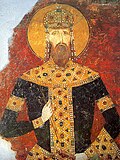 Stefan Uroš II MilutinRight-Believing · King of SerbiaOct 30
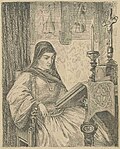 Helen of SerbiaRight-Believing · Queen of SerbiaOct 30
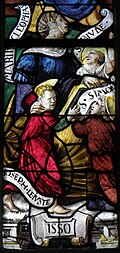 Justus BarsabbasApostle · Apostle of the SeventyOct 30
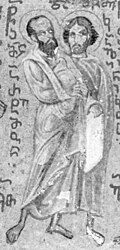 Artemas of LystraApostle · Bishop of LystraOct 30
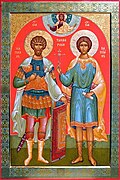 Marcellus of TangierMartyr · Roman centurionOct 30
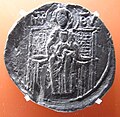 Joseph I GalesiotesSaint · Patriarch of ConstantinopleOct 30
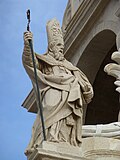 Marcian of SyracuseHieromartyr · First Bishop of SyracuseOct 30
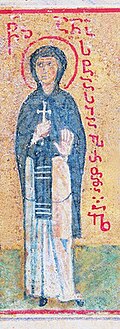 Anastasia the RomanVenerable Martyr · Nun of RomeOct 30
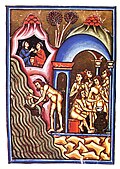 Germanus of CapuaSaint · Bishop of CapuaOct 30
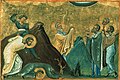 TertiusApostle · Apostle of the SeventyOct 30
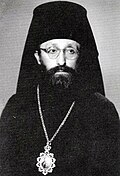 Varnava the New ConfessorConfessor · Bishop of HvosnoOct 30
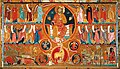 Felix of Massa MartanaHieromartyrOct 30