Hieromartyr
Polychronius of Babylon
Cleric of Babylon, martyred for the faith of Christ in 251.
Life
Holy Hieromartyr Polychronius of Babylon, a bishop, suffered in the third century, in the persecution of the emperor Decius (249-251), together with the priests Parmenius, Elimas and Chrysotelus, the deacons Luke and Mucus, the martyrs Abdon and Sennis, Persian princes, and the martyrs Olympius and Maximus.
Decius, after defeating the Persians and taking their country, found many Christians there and began to persecute them. Bishop Polychronius, with the priests Parmenius, Elimas and Chrysotelus and the deacons Luke and Mucus, was seized and brought to the emperor, who ordered them to sacrifice to the idols. The saint answered boldly that they offered themselves as a sacrifice to the Lord Jesus Christ and would never worship idols made by human hands. Decius threw them into prison. At the second trial Polychronius stood silent; Decius said to the priests that their leader had been struck dumb, and Parmenius answered that the bishop was not dumb but did not wish to defile his pure mouth and cast pearls before swine. The emperor ordered Parmenius's tongue cut out, but he, turning to Polychronius, said plainly, pray for me, father, I see the Holy Spirit upon you. On the order of Decius the bishop was struck on the mouth with a stone and, lifting his eyes to heaven, gave up his spirit. His body lay before the temple of Saturn; at night two Persian princes, Abdon and Sennis, secret Christians, came and buried him by the city wall.
Decius then went to Cordula (Corduene), taking with him the three priests and the two deacons. There he again forced them to sacrifice to the idols, but Parmenius, though without a tongue, answered in a loud and firm voice, on behalf of all, with a refusal. Decius, thinking that he spoke by sorcery, ordered them burned with fire. Then a voice was heard from heaven, saying, come to Me, you who are lowly in heart. The emperor took this voice also for a spell and ordered their heads cut off. Abdon and Sennis stole the bodies by night and buried them in their village near Cordula. When this was known, they were seized and brought to the emperor, who, seeing their firmness, shut them in prison. The saints rejoiced and glorified God.
On the same day two other Persians, Olympius and Maximus, were brought to Decius as Christians; for the boldness with which they confessed Christ, after cruel torments they were put to the sword. For five days their bodies lay unburied, and on the sixth night Christians buried them secretly, with honour.
On his way back to Rome, Decius took Abdon and Sennis with him in chains. There he called a pagan priest and ordered them to sacrifice to the gods, promising freedom and honour. They answered that they offered only themselves as a sacrifice to their God, and that he should sacrifice to his own gods himself. Decius condemned them to be devoured by beasts; two lions and then four bears did not touch them and lay down at their feet. Then Abdon and Sennis were put to the sword. Their bodies lay three days before the idol, to frighten the Christians. At night a secret Christian named Quirinus took them and buried them in his house. Abdon and Sennis suffered in 251, and their relics are kept in the church of St Mark in Rome.
St Polychronius is commemorated on 12 August, in the new style.
Commemorated the same day July 30
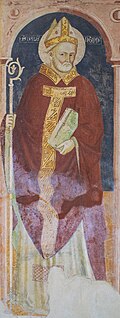 ValentineHieromartyr · of TerniJul 30
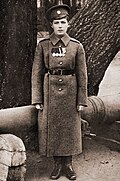 AlexeiPassion-Bearer · Tsarevich of RussiaJul 30
 Peter ChrysologusSaint · Bishop of RavennaJul 30
 Epenetus of CarthageApostle · Bishop of CarthageJul 30
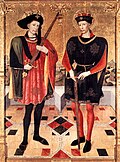 Abdon and SennenHoly MartyrsJul 30
 CrescensApostle · Missionary in GalatiaJul 30
- Silvanus of the SeventyApostle · Bishop of ThessalonicaJul 30
 Herman of SolovkiVenerable · Co-founder of Solovki MonasteryJul 30
 Tsotne DadianiConfessor · Georgian noblemanJul 30
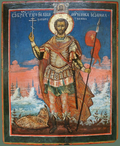 John the WarriorMartyr · Byzantine soldierJul 30
 SilvanMartyr · Martyr honored at DubrovnikJul 30
 Valentine of InteramnaHieromartyr · Bishop of Interamna (Terni)Jul 30