Venerable
Philotheos the Hagiorite
monk of Dionysiou
Born in 1526 near Kavala, a monk of Dionysiou from about 1551, who reposed in 1610; a canonized saint.
- Feast
- October 21old style November 3
- Reposed
- 161017th century
- Place
- Mount Athos (Dionysiou)
- Order
- Venerables
Life
Philotheos the Hagiorite was a venerable monk of the Monastery of Dionysiou on Mount Athos, born in 1526 at Chrysopolis (near Kavala) and reposed in 1610. His parents, from Elateia in Asia Minor, had fled the Hagarenes to Chrysopolis; after his father's death his mother, Eudokia, was left with two sons, one of them Theophilos. The two were seized by the Turks to be raised as Muslims, but stayed firm in the faith, and the Mother of God delivered them miraculously from bondage and told them to become monks in a monastery of hers at Neapolis. Theophilos took the name Philotheos at his tonsure. Eudokia, meanwhile, had shut herself in a nearby convent; on a great feast day, hearing a monk call Philotheos, she recognized his voice. After a reunion with tears, all three devoted themselves still more to ascetic struggle. The devil attacked Philotheos through the temptation of a nun possessed by a spirit of lust, but he escaped, like chaste Joseph.
Around 1551, aged twenty-five, he left for Athos and settled at Dionysiou, where his ascetic labours, humility and zeal won the admiration of all. After some years of obedience he feigned illness and deafness, in order to receive the blessing to withdraw to a cave near the monastery, where he gave himself to pure prayer and endured the assaults of demons. When it was discovered that he was not ill, he moved to another place to escape praise, and had three disciples. It was then that he became known for miracles and for foresight.
At eighty-four, sensing that the time of his departure was near, he told his disciples not to bury him but to throw his body without ceremony into the depths of the forest, for the wild beasts to eat. They did so, with heavy hearts, after he reposed in 1610. But God did not allow his relics to be mistreated. Some time later a monk of Dionysiou, fishing on the shore, saw a great light and, thinking the forest was burning, ran there and found the saint's skull. He brought it to the disciples, and it was venerated by all. Today it is kept at the Monastery of Petra in Thessaly, in a silver case, and in 1972 Elder Gabriel of Dionysiou brought a portion of the relic to Dionysiou from the monastery in Koroni.
Commemorated the same day October 21
 Hilarion the GreatVenerable · Hermit of GazaOct 21
 Viator of LyonSaintOct 21
 Hilarion of MeglenSaint · Bishop of MeglenOct 21
 Dasius, Gaius and ZoticusHoly Martyrs · Martyrs of NicomediaOct 21
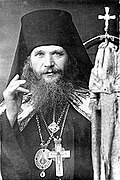 Paulin KroshechkinHieromartyr · Archbishop of MogilevOct 21
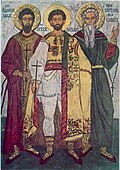 Visarion SaraiVenerable MartyrOct 21
- Sophronius of CioaraVenerable · Defender of Orthodoxy in TransylvaniaOct 21
 Jacob of OmuchVenerableOct 21
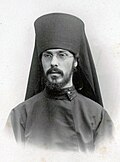 Neophytus OsipovVenerable Martyr · ArchimandriteOct 21
- Theophilus of LugaVenerable · Founder of Omuch HermitageOct 21
 Pelagia TestovaNew MartyrOct 21
 Damian VoskresenskyHieromartyr · Archbishop of Kursk and OboyanOct 21