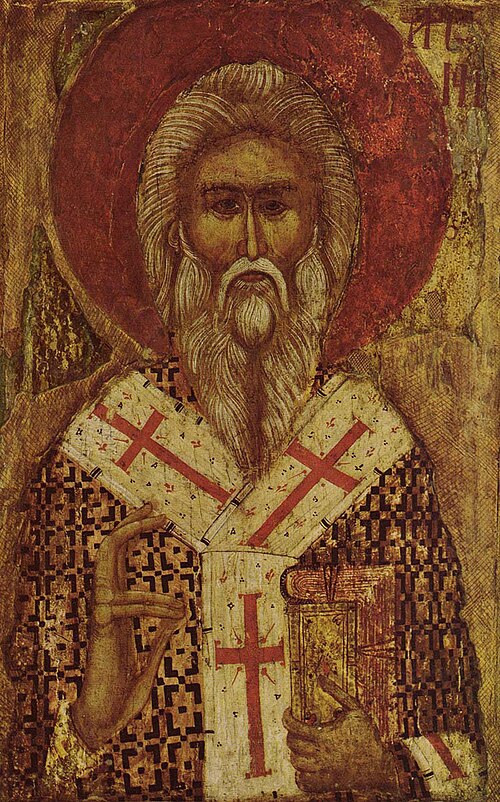
Saint
Arsenije of Serbia
Archbishop of Serbia
Second Archbishop of Serbia, from 1233 to 1263, and a disciple of Saint Sava of Serbia.
- Feast
- October 28old style November 10
- Reposed
- 126613th century
- Place
- Crnča
- Order
- Hierarchs
Life
Saint Arsenije was the second archbishop of Serbia, from 1233 to 1263, a disciple of Saint Sava of Serbia, and fell asleep on 28 October 1266. The Serbian Church commemorates him on 28 October by the old calendar, which is 10 November by the civil one.
His birthplace is not certain, but he is believed to have been born in the village of Dabar near Slankamen in Syrmia, now in Vojvodina, or according to other sources in Dalmatia. The date of his birth is unknown. He took monastic vows, probably at the monastery of Saint Demetrius in Sremska Mitrovica, and when he heard of the work of Saint Sava, impressed, he went to the monastery of Žiča. Soon he became Sava's disciple and syncellus and was made ecclesiarch of the monastery, then abbot and archimandrite of Žiča, for his spiritual life. When Serbia was attacked by the Hungarians, who were burning Orthodox churches and monasteries, Sava sent him to find in the south a safer place for a new archiepiscopal see. Arsenije chose Peć, where he built a monastery and a church, at first dedicated to the Holy Apostles, then to the Ascension of the Lord.
When Sava resolved to withdraw, in 1233, before his second journey to Jerusalem, he wished Arsenije to succeed him. Arsenije was consecrated archbishop and continued his predecessor's work. He built the monastery of Peć and took part in moving the relics of Saint Sava from Tarnovo to the monastery of Mileševa. He crowned King Stefan Uroš I and helped the king and Queen Helen build the monasteries of Sopoćani and Gradac. In 1253 the seat of the archbishopric was moved from Žiča to Peć. In 1263 he suffered a stroke and left the see to Saint Sava II, Saint Sava's nephew. He died at Crnča near Bijelo Polje on 28 October 1266 and was buried in the church of the Holy Apostles at Peć. His relics were carried and kept in various monasteries, and since 1920 have rested in the monastery of Ždrebaonik near Danilovgrad in Montenegro. His Life and service were written by Archbishop Danilo II, who had a cycle of his life painted in the church of the Mother of God at Peć.
Commemorated the same day October 28
 Abgar of EdessaRight-Believing · King of EdessaOct 28
 Arsenios the CappadocianVenerable · Spiritual father from CappadociaOct 28
 Job of PochaevVenerable · Abbot of PochaevOct 28
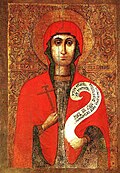 Paraskevi of IconiumGreat Martyr · Great Martyr, called FridayOct 28
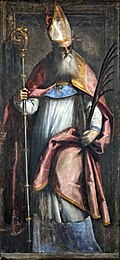 Judas CyriacusSaint · Bishop of JerusalemOct 28
- Arsenius AutorianusSaint · Patriarch of ConstantinopleOct 28
- FirmilianSaint · Bishop of Caesarea in CappadociaOct 28
 Stephen the SabaiteVenerable · Hymnographer of Mar SabaOct 28
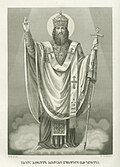 Neophytus of UrbnisiSaint · Bishop of UrbnisiOct 28
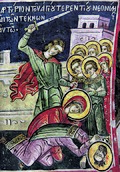 Terence and NeonillaMartyrOct 28
- Theodora of WallachiaSaint · Tsaritsa of BulgariaOct 28
- Abraham of EphesusSaint · Archbishop of EphesusOct 28